Monday, 28 February 2022

Can CBD Treat Bacterial Pneumonia?

What Are the Types of Pneumonia?

In terms of what causes bacterial pneumonia, there are four main categories. They are as follows:

1.       Hospital-acquired pneumonia is contracted in a non-intubated patient within a hospital, who has been in the hospital at least 48 hours.

2.       Community-acquired pneumonia is acquired outside of a hospital setting, or in the first 48 hours of admission to a hospital.

3.       Healthcare-associated pneumonia is generally acquired in long-term care centers, like nursing homes.

4.       Ventilator-associated pneumonia develops in intubated patients, typically after at least 48 hours of intubation.

How Is Bacterial Pneumonia Diagnosed and Treated?

Various tests are frequently used to correctly diagnose bacterial pneumonia. These include the following:

•         Taking a chest X-ray of a patient

•         Conducting a blood test to determine a specific bacterial pathogen

•         A sputum test may be administered to fluid that a patient coughs up

•         A pulse oximetry reading will measure oxygen flow in the blood

•         In some cases, a CT scan, or pleural fluid culture may be administered. 

If bacterial pneumonia is determined to be the case, an antibiotic will usually be prescribed. In some cases, more than one type of antibiotic will need to be prescribed, to find the best match for a particular bacterium.

Other medications, like cough medicine and pain medications, may help alleviate some symptoms.

Can CBD Help Treat Bacterial Pneumonia?

While CBD has shown efficacy as an anti-inflammatory substance, and in theory CBD for lung diseases and inflammation could have some effect on inflammation associated with pneumonia, CBD itself is not an effective treatment for pneumonia. CBD also demonstrates immuno-suppressive qualities, making its use potentially dangerous in individuals with pneumonia. 

Bacterial pneumonia should be treated by a medical professional, and almost certainly is best treated by antibiotics.

The post Can CBD Treat Bacterial Pneumonia? appeared first on Smart CBD Hub.


from Smart CBD Hub https://smartcbdhub.com/can-cbd-treat-bacterial-pneumonia/
via IFTTT

source https://ozlemhermsen.tumblr.com/post/677467068713582592

Friday, 25 February 2022

Is CBD Oil an Option for Kidney Stone Pain?

What Causes Kidney Stones?

Kidney stones result from high levels of phosphorus, calcium and oxalate in the urine. These minerals are typical and do not cause problems in low amounts, but elevated levels can produce clumps of hard, rock-like material.

Kidney stones can be smooth or rough and vary in size. Some are as small as a grain of sand, while others are pea-sized or larger. Small stones may pass through the bladder with no problem. Larger stones can get stuck, causing swelling and pain and blocking urine.

What Are Some Symptoms of Kidney Stones?

Kidney-stone pain usually occurs in the back, side, lower abdomen and groin. It can happen in waves or remain constant for some time. You can also experience pain during and after kidney stone removal or while passing them at home.

How Can CBD Oil Help With Kidney Stones?

While there have not been any studies about CBD’s effects on kidney stones, research has shown evidence for CBD as a pain relief. CBD acts on the body’s endocannabinoid system. This system, also known as the ECS, regulates several body processes, including the nervous system, inflammation, immune response and pain receptors.

Many people have found success in using CBD for inflammation and pain, two common symptoms of kidney stones. Research has also shown that nausea, another side effect of kidney stones, can be treated effectively with CBD.

How Should I Use CBD for Kidney Stones?

Before starting a regimen of CBD for the treatment of kidney stone symptoms, talk to your doctor. He or she can advise you on proper dosing and what forms to try.

The post Is CBD Oil an Option for Kidney Stone Pain? appeared first on Smart CBD Hub.


from Smart CBD Hub https://smartcbdhub.com/is-cbd-oil-an-option-for-kidney-stone-pain/
via IFTTT

source https://ozlemhermsen.tumblr.com/post/677199013100011520

Wednesday, 23 February 2022

Innovation in the Cannabis Industry

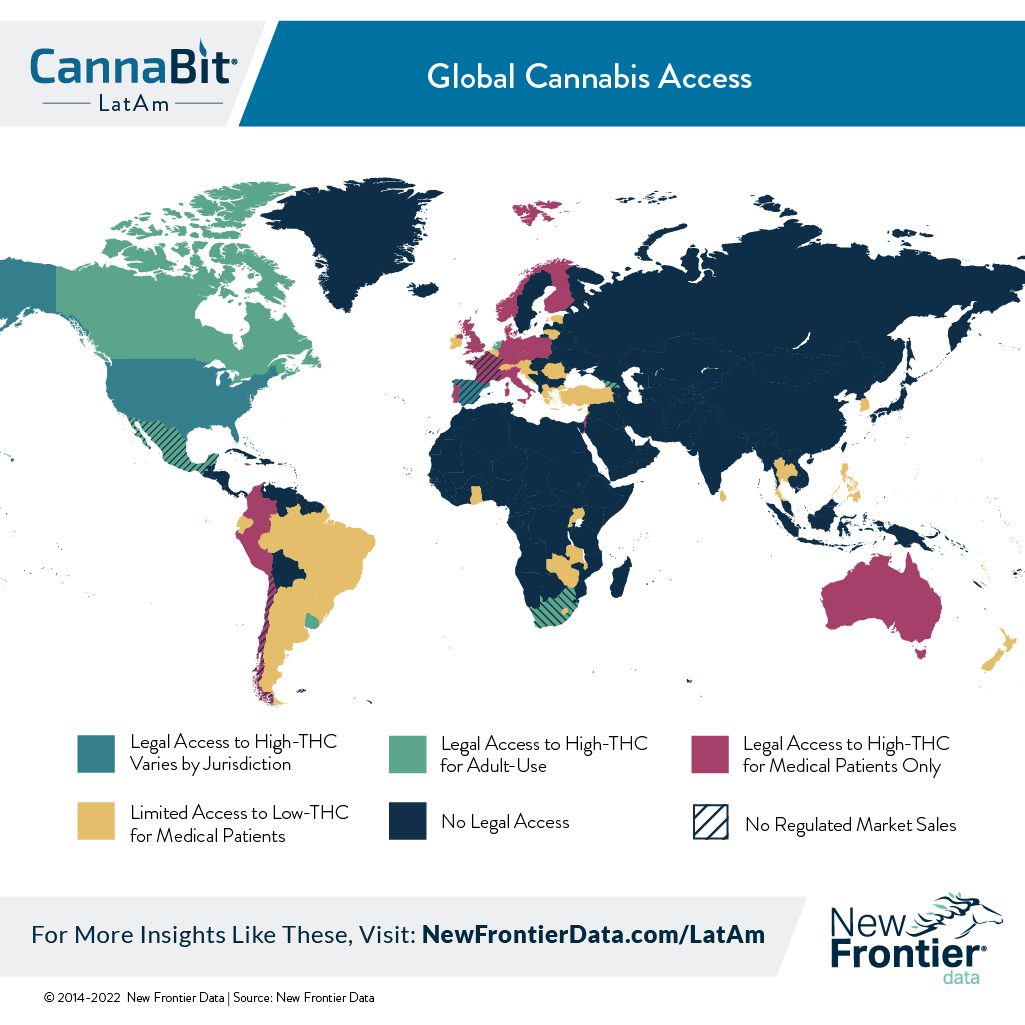
global cannabis access

By Esteban Rossi I., Ph.D., Analyst, New Frontier Data

Despite established and expanding popular support, growing sales (in some jurisdictions) and significant social benefits, the Latin American cannabis industry is evolving more slowly than anticipated. Arguably, the dynamics of the policy process make it inherently slow and clash with the requirements of innovation. Meanwhile, cannabis companies struggle trying to generate revenue, and patients complain about the barriers to obtain high-THC products. Here, New Frontier Data illustrates the causes for the delays in the policy process and identifies the requirements for market creation. As always, the data used can be found in the current Global Report and New Frontier Data’s business intelligence platform, Equio.

The Bubble

Canada stirred interest in the international cannabis industry in 2018 after the signing of bill C-45, and investment bankers soon began making initial public offerings (IPOs). Consequently, bankers, entrepreneurs, and the media were heavily incentivized to pump stocks rather than set sound foundations for a new industry. The consequences of this oversight were severe: in less than two years, company valuations became impossible to justify, sales projections were rendered meaningless, and numerous companies found themselves with an embarrassing balance sheet and few ideas for the future. Investors, in turn, found that the dominant narrative outlining an enormous and accessible market was simply wrong.

Because of the timing and the political context, the Colombian industry adopted numerous elements of the Canadian regulatory model. Those similarities allowed Colombia to attract more than $288 million USD in foreign investment. Yet, industry pioneers faced operational challenges, underestimated the importance of the regional market in their business plans, and often misbehaved while trying to shape the regulatory process to fit their goals. Most importantly, after a couple of years trying to market their products, LatAm-based companies found that the narrative pushed by Canadian bankers did not fit the facts.

Cannabis enthusiasts must remember that recent history to make sound investment decisions. Fortunately, the pendulum moved away from story stocks and back towards fundamentals. Now solid data exists to describe what consumers, patients, and regulators really need and can pay for. It also helps to illustrate the barriers that hinder market formation and growth.

Barriers to Innovation and Market Creation

The first challenge for the cannabis industry consists on winning public approval. The public at large remains poorly informed of the health, economic, and security benefits of cannabis legalization. The public conversation requires time and cultural understanding. After four decades of prohibitionist policies, many people (particularly older generations) are understandably somewhat confused if also curious about the consequences of legalization. Cannabis patients, consumers, and their families will play prominent roles in the dialogue.

The second challenge is securing the political will required for reform. For strategic reasons, traditional policy makers tend to distance themselves from the cannabis discussion. Understandably, difficulties exist and circumstances could go wrong, thus it is easy for opponents to misrepresent legalization efforts and taint a candidate’s image. Moreover, large economic interests compete for segments of the cannabis market, and provoke regulatory delays. A large set of health-care regulations enacted for consumer protection can gradually become de-facto entry barriers protecting incumbents and hindering innovation. The result: rather than acquiring local and tested products in legal markets, local consumers currently purchase CBD tinctures at the corner store, and THC products from a local dealer or an online vendor.

A third challenge lies in the implementation of the regulations. Numerous countries including: Colombia (e.g., Invima), Argentina (Reprocann), and Mexico (Secretaria de salud, Conadic) established a legal framework for medicinal cannabis, yet policymakers were unable to establish the regulatory capacity to foster the local industry. Over time, competing demands and scarce public funds pushed medicinal cannabis down respective priority lists. Alternatively, a government can set up an independent regulatory agency tasked only with cannabis regulations, and use license fees to ensure that the agency has the resources to cover its expenses. Both Uruguay (IRCCA) and Jamaica (CLA) obtained good results with this approach.

Industry Members’ Next Steps

As popular support for reform continues to grow, the cannabis industry must ensure that the public as a whole (i.e., political leaders, minority groups, and the medical community) recognizes and understands the importance of adequately regulating cannabis use. Moreover, cannabis reform should be examined in the context of ongoing transitions in consumption patterns, aging, and health care around the world. The educational challenge, currently shouldered by NGOs and growers’ associations, demands discipline, patience and support.

For entrepreneurs and business owners, it is perhaps worth a return to basics. First, securing access to consumers and then moving backwards along the supply chain as the market grows. Domestically, cannabis firms should push regulators to set up dispensaries or pharmacies focused specifically on cannabis. This distribution channel — as thoroughly tested in Uruguay, Florida, and Colorado — is easy to monitor, and very profitable. Once again, the solution entails going back to fundamentals and selling quality flower directly to consumers.

For angel investors, the young industry remains promising and filled with opportunities (see chart). We recommend analyzing cash flows, identifying sound products or technologies, operational milestones, and specific client bases. In general, investors should be wary of firms controlled by Canadian capital, business models predicated on large export markets (B2B), or expensive staffs peopled with experts from other sectors. It is also important to note that in 2020 sales in the Latin American cannabis market comprised $12 billion USD — mostly from illicit sources.

For regulators, it seems time to develop bold international agendas. As the European market continues to evolve, numerous opportunities will emerge in the old continent. Export agencies like Procolombia and Proecuador should follow the approach developed by Uruguay XXI, and open new markets for Latin American cannabis in Europe. It will be a tall order but crucially important.

Recently, small jurisdictions like Luxemburg and Malta took major steps to regulate their domestic markets and attract consumers and investors. Those countries, with small bureaucracies and ambitious leaders, possess prime opportunities to innovate while passing bold cannabis legislation. Over time, such advances should inspire other countries and build momentum. Moreover, in Germany the new coalition government has expressed interest in expanding access to cannabis, perhaps through the regulation of adult-use cannabis. Since Germany’s regulations are actively being written, it would be a good time to expand distribution channels from Latin America while securing some space in Europe’s largest legal market.

The post Innovation in the Cannabis Industry appeared first on New Frontier Data.


from New Frontier Data https://newfrontierdata.com/cannabis-insights/innovation-in-the-cannabis-industry/

source https://ozlemhermsen.tumblr.com/post/677023245012172800

Innovación en la industria del cannabis

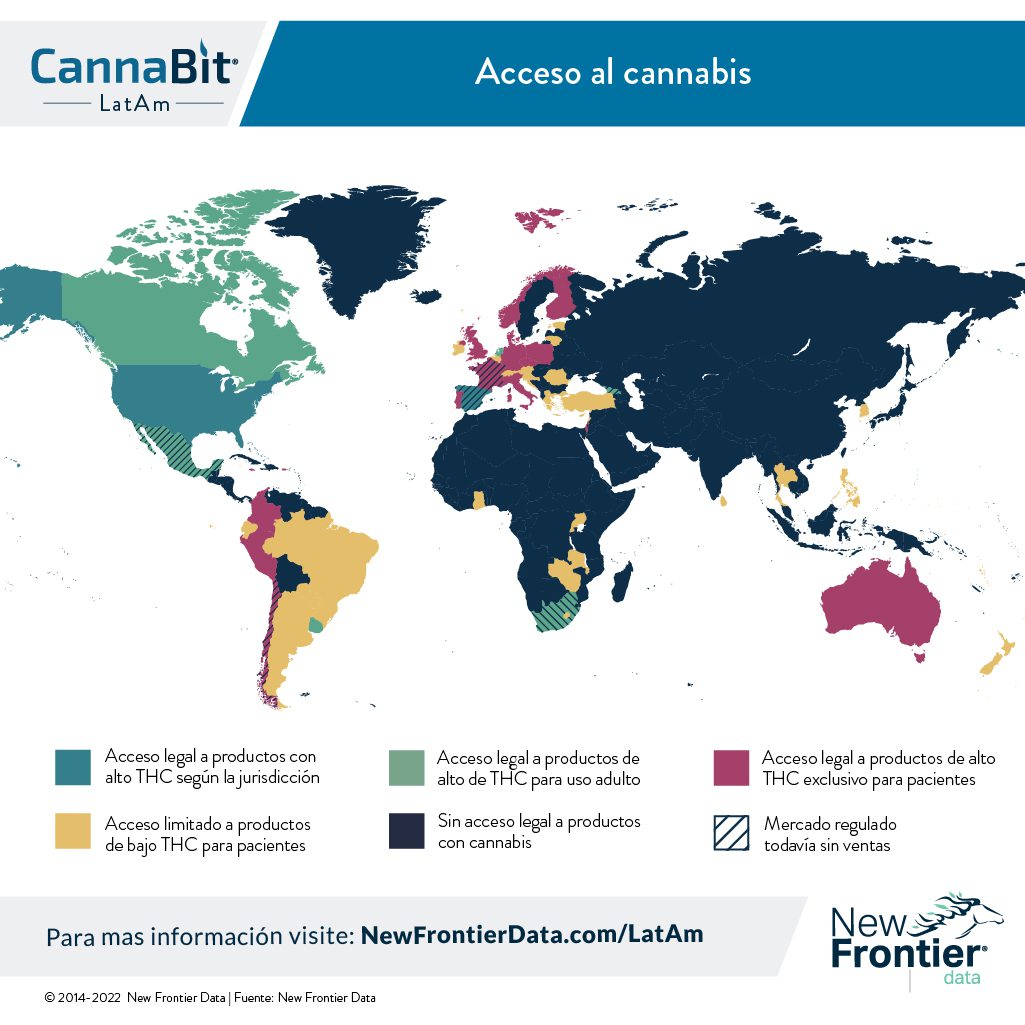
acceso el cannabis

Por Esteban Rossi I., Ph.D., Analista, New Frontier Data

A pesar del gran apoyo de la ciudadanía y de las crecientes ventas (en algunas jurisdicciones) y de sus importantes beneficios, la industria latinoamericana del cannabis está evolucionando más lentamente de lo previsto. Podría decirse que la dinámica del proceso legislativo lo hace intrínsecamente lento y choca con los requisitos de la innovación. Mientras tanto, las empresas de cannabis se esfuerzan por generar ingresos, y los pacientes se quejan de las barreras para obtener productos con alto contenido de THC. A continuación, New Frontier Data ilustra las causas de los retrasos en el proceso político e identifica los requisitos para la creación del mercado. Como siempre, los datos utilizados se pueden encontrar en el Reporte Global y en la plataforma de inteligencia empresarial EQUIO.

La burbuja 

Canadá despertó el interés en la industria internacional del cannabis tras la firma del proyecto de ley C-45 en 2018, al poco tiempo, los banqueros de inversión comenzaron a hacer numerosas ofertas públicas de nuevas empresas de cannabis (IPOS –siglas en ingles). En consecuencia, los banqueros, los empresarios y los medios de comunicación se vieron fuertemente incentivados a promocionar (vender) acciones de nuevas empresas en lugar de establecer bases sólidas para una nueva industria. Las consecuencias de este descuido fueron graves: en menos de dos años, las valoraciones de las empresas se volvieron imposibles de justificar, las proyecciones de ventas se desmoronaron y numerosas empresas se encontraron con un balance vergonzoso y pocas ideas para el futuro. Los inversores, a su vez, descubrieron que la narrativa dominante que describía un mercado enorme y accesible era sencillamente errónea.

Debido al momento y al contexto político, la industria colombiana adoptó numerosos elementos del modelo regulatorio canadiense. Esas similitudes permitieron a Colombia atraer más de $288 millones de dólares estadounidenses en inversión extranjera. Sin embargo, los pioneros de la industria se enfrentaron a retos operativos, subestimaron la importancia del mercado regional en sus planes de negocio y, a menudo, se comportaron mal al tratar de influenciar el proceso normativo y regulatorio para que se ajustara a sus objetivos. Y lo que es más importante, después de un par de años intentando comercializar sus productos, las empresas con operaciones en Latinoamérica descubrieron que la narrativa impulsada por los banqueros canadienses no se ajustaba a los hechos.

Los entusiastas del cannabis deben recordar esa historia reciente para tomar decisiones de inversión acertadas. Afortunadamente, el péndulo se alejó de los valores de las historias y volvió a lo fundamental. Ahora contamos con datos sólidos que describen lo que los consumidores, los pacientes y los reguladores realmente necesitan y lo que pueden pagar. También es importante conocer las barreras que dificultan la formación y el crecimiento del mercado legal.

Barreras a la innovación y a la creación de mercado 

El primer reto para la industria del cannabis consiste en conseguir la aprobación del público. El público en general sigue estando poco informado sobre los beneficios sanitarios, económicos y de seguridad de la legalización del cannabis. La conversación pública requiere tiempo y perspectiva cultural. Después de cuatro décadas de políticas prohibicionistas, es comprensible que muchas personas (sobre todo las de mayor edad) estén algo confundidas, aunque también sientan curiosidad por las consecuencias de la legalización. Los pacientes de cannabis, los consumidores y sus familias desempeñarán un papel destacado en este diálogo público.

El segundo reto es asegurar la voluntad política necesaria para la reforma. Por razones estratégicas, los lideres políticos tradicionales tienden a distanciarse del debate sobre el cannabis. Es comprensible que existan dificultades y que las iniciativas no arrojen los resultados esperados, por lo que es fácil que los opositores tergiversen los esfuerzos de legalización y perjudiquen a un candidato. Además, algunos grandes intereses económicos, principalmente del sector farmacéutico, compiten por segmentos del mercado del cannabis y con frecuencia provocan retrasos en la regulación. Un amplio conjunto de regulaciones sanitarias promulgadas para la protección del consumidor puede convertirse gradualmente en barreras de entrada de facto que protegen a los más antiguos y obstaculizan la innovación. El resultado: en lugar de adquirir productos locales y probados en mercados legales, los consumidores locales se ven obligados a comprar tinturas de CBD en pequeñas tiendas, y productos de THC a distribuidores local o a través de portales en línea.

Un tercer reto reside en la aplicación de la normativa y la reglamentación técnica. Numerosos países, entre ellos: Colombia (por ejemplo, Invima), Argentina (Reprocann), y México (Secretaría de salud, Conadic) establecieron un marco legal para el cannabis medicinal; sin embargo, los lideres políticos fueron incapaces de establecer la capacidad regulatoria suficiente para fomentar la industria local. Con el tiempo, las múltiples demandas y la escasez de fondos públicos hicieron que el cannabis medicinal quedara relegado en las respectivas listas de prioridades. Como alternativa, un gobierno puede crear una agencia reguladora independiente que se encargue únicamente de la regulación del cannabis, y utilizar los derechos de licencia para garantizar que la agencia tenga los recursos necesarios para cubrir sus gastos. Tanto Uruguay (IRCCA) como Jamaica (CLA) obtuvieron buenos resultados con este enfoque.

Próximos pasos de los miembros de la industria 

A medida que el apoyo popular a la reforma sigue creciendo, la industria del cannabis debe asegurarse de que el público en general (es decir, los líderes políticos, los grupos minoritarios y la comunidad médica) reconozca y comprenda la importancia de regular adecuadamente el uso de cannabis. Además, la reforma del cannabis debe examinarse en el contexto de las actuales transiciones en los patrones de consumo, el envejecimiento y la atención sanitaria en todo el mundo. El reto educativo, que actualmente asumen las ONG y las asociaciones de cultivadores, exige disciplina, paciencia y apoyo.

Para los empresarios y dueños de negocios, quizás valga la pena volver a lo básico. Primero, asegurar el acceso a los consumidores y luego retroceder en la cadena de suministro a medida que el mercado crece. A nivel nacional, las empresas cannábicas deben presionar a los reguladores para que establezcan dispensarios o farmacias centradas específicamente en el cannabis. Este canal de distribución -probado ampliamente en Uruguay, Florida y Colorado- es fácil de controlar y muy rentable. Una vez más, la solución pasa por volver a lo fundamental y vender flores de calidad directamente a los consumidores.

Para los inversores ángeles, el joven sector sigue siendo prometedor y está lleno de oportunidades (ver gráfico). Recomendamos analizar los flujos de caja, identificar productos o tecnologías sólidos, hitos operativos y la base de clientes. En general, los inversores deben tener mucho cuidado con las empresas controladas por el capital canadiense, de los modelos de negocio basados en grandes mercados de exportación (B2B) o de los grandes equipos directivos poblados de expertos de otros sectores y con grandes sueldos. También es importante tener en cuenta que en 2020 las ventas en el mercado latinoamericano de cannabis ascendieron a $12.000 millones de dólares $USD, en su mayoría transacciones en el mercado ilícito o gris.

Para los reguladores, parece que ha llegado el momento de desarrollar agendas internacionales audaces. A medida que el mercado europeo siga evolucionando, surgirán numerosas oportunidades en el viejo continente. Las agencias de exportación como Procolombia y Proecuador deberían seguir el enfoque desarrollado por Uruguay XXI, y abrir nuevos mercados para el cannabis latinoamericano en Europa. Será una tarea difícil, pero de crucial importancia.

Recientemente, jurisdicciones pequeñas como Luxemburgo y Malta tomaron medidas importantes para regular sus mercados internos y atraer a consumidores e inversores. Esos países, con burocracias pequeñas y líderes ambiciosos, poseen oportunidades privilegiadas para innovar mientras aprueban una legislación audaz sobre el cannabis. Con el tiempo, estos avances deberían inspirar a otros países y darles impulso. Además, en Alemania, el nuevo gobierno de coalición ha expresado su interés en ampliar el acceso al cannabis, tal vez mediante la regulación del cannabis para adultos. Dado que la normativa alemana se está redactando de forma activa, sería un buen momento para ampliar los canales de distribución desde América Latina, al tiempo que se asegura un espacio en el mayor mercado legal de Europa.

The post Innovación en la industria del cannabis appeared first on New Frontier Data.


from New Frontier Data https://newfrontierdata.com/cannabis-insights/innovacion-en-la-industria-del-cannabis/

source https://ozlemhermsen.tumblr.com/post/677023243245322241

In a Fragmented Product Landscape, Consumer Understanding is Critical

brands california

By Rob Kuvinka, VP, Data Science, New Frontier Data

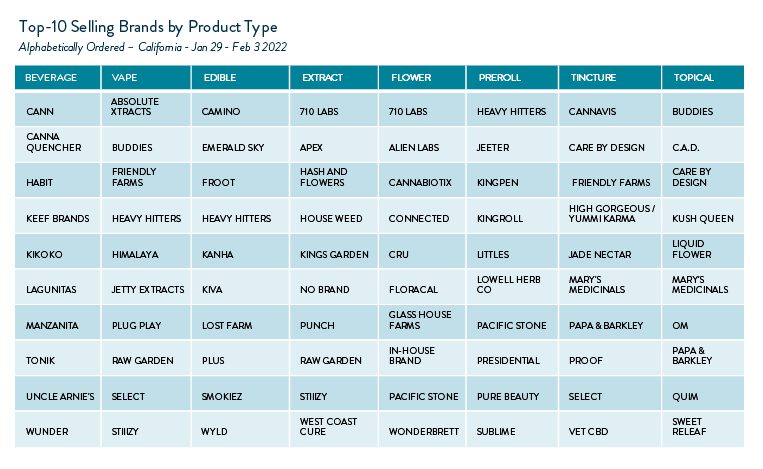
With over 100,000 unique product SKUs now on sale in California, cannabis consumers face an increasingly dizzying array of options to choose from in a hyper-fragmented market. With so many existing choices available as new entrants jockey for competitive positions, brands must vie for shares of both minds and wallets.

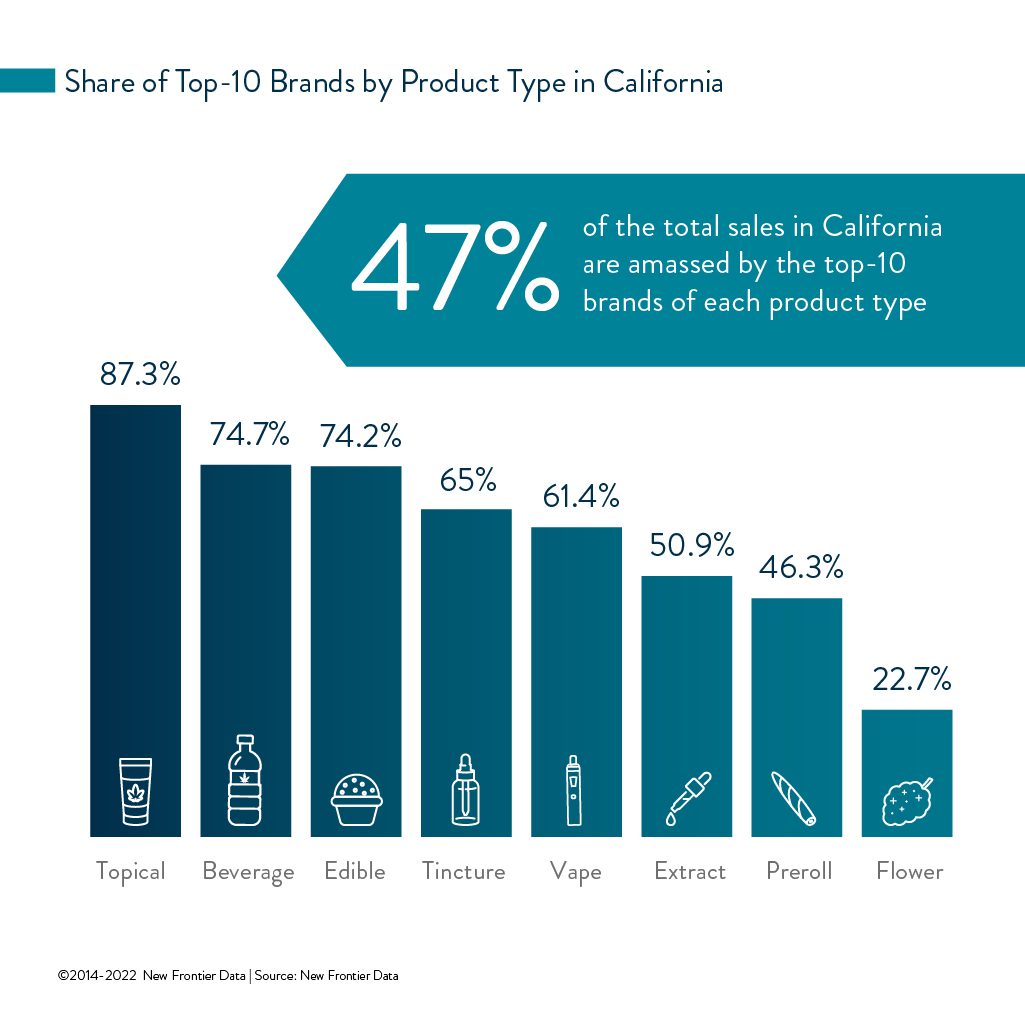
New Frontier Data’s analysis of recent data from California shows just how competitive the state’s cannabis product landscape has become. Flower products (including pre-rolls) represent the largest category in the market, accounting for nearly half (46%) of all sales and nearly $2.2 billion in revenue during 2021. The sector is crowded, however, featuring beyond 850 unique flower brands and more than 600 pre-roll labels currently sold if without any single brand commanding more than 3% of the market. The top ten brands combined account for 22% of the category. Despite that fragmentation, but given the significant degree of consumer spending on flower, even a small share of the multibillion-dollar category stands to be highly lucrative.

At the other end of the spectrum sit topicals, a smaller, far more concentrated category with a few large players vying for the lion’s share of the category. Topicals accounted for less than $30 million (below 1% of the market) in 2021. Competing with only about 60 topical brands, sales of California’s top two leaders command more than half the category’s share, and the top ten topical brands comprise 87% of the category, illustrating their domination of that segment.

The higher concentration of share among value-added categories is due to several factors: Unlike highly substitutable flower products (e.g., similar strains grown by different growers), value-added products offer greater abilities for differentiation based on the ingredients’ use and form factors. Additionally, most consumers transitioning from illicit to legal markets are well oriented to flower and concentrate products, but generally less experienced with high-quality edibles, beverages, vapes, and topicals (due to the difficulties in producing them at scale for an illicit market).  Thus, consumers’ limited experiences with value-added products afford brands the ability to establish a strong affinity with those coming to them without well-established expectations. Furthermore, consumers new to legalized cannabis — especially those without previous experience smoking cannabis — are likelier to choose noncombustible products, and to become brand loyal upon finding a product to meet their needs.

Considering the continued fragmentation of the product landscape, it is incumbent upon brands to define their target consumers, and align their products (and messaging) to those specific consumer groups. With so many competitors jockeying for position in a crowded space, cannabis brands can no longer afford to be one-size-fits-all, because generically branded products will inevitably be pushed aside by those leveraging more thoughtful and nuanced approaches to target specific consumers. The imperative for refined consumer targeting is especially important in the value-added product categories, where brands have significantly greater flexibility in tailoring their products to specific use cases or experiential outcomes. A topical intended for pain relief, for example, would rely on very different branding and messaging than one intended for intimacy.

Over the coming weeks, New Frontier Data will be delving more comprehensively into evolving consumer behaviors and retail product trends. Suffice it to say, however, that while market share is a compelling metric for identifying who currently leads a market, the accelerating pace of product innovation to entice fast-evolving consumer preferences means that no company (especially not one aiming to maintain dominance of a category) should rest on its laurels. Fortunately, with the burgeoning amounts of retail and consumer data now available, brands have access to all the intelligence required to devise well-defined and highly defensible strategies amid their increasingly competitive markets.

product cannabis

Source: New Frontier Data 2022

The post In a Fragmented Product Landscape, Consumer Understanding is Critical appeared first on New Frontier Data.


from New Frontier Data https://newfrontierdata.com/cannabis-insights/in-a-fragmenting-product-landscape-understanding-consumers-is-key-to-securing-market-share/

source https://ozlemhermsen.tumblr.com/post/677023242034266112

Tuesday, 22 February 2022

CBD for Orgasm Disorder. How CBD Increases Pleasure?

What Are the Symptoms of Orgasm Disorder?

The main symptom of orgasm dysfunction is the inability to reach sexual climax. For some people, however, the disorder may cause them to take longer to reach climax or, if they do reach climax, for the orgasm to be unsatisfactory. The symptoms a person experiences will largely depend on the type of orgasm dysfunction he or she has:

•         Primary Anorgasmia, which prevents a person from ever achieving orgasm

•         Secondary Anorgasmia, which causes difficulty reaching climax despite having orgasmed before

•         Situational Anorgasmia, which occurs when a person cannot obtain an orgasm during certain sexual circumstances, such as while masturbating or receiving oral sex

•         General Anorgasmia, which occurs when a person cannot achieve climax ever, regardless of the circumstances, or even when he or she is highly aroused

What Causes Orgasm Disorder?

It is often difficult for health professionals to determine the underlying cause of orgasm dysfunction. However, research indicates that several emotional, physical and psychological factors play a role in the disorder. Among those include age, existing medical conditions, shyness, feelings of inadequacy, cultural or religious beliefs, history of sexual abuse, relationship troubles, stress and mental health conditions.

How CBD Can Help

The use of CBD for sexual desire is becoming increasingly popular. Of individuals who tried CBD for erectile dysfunction or orgasm disorder, 68% said it improved their overall sexual experience and put them in a greater state of mind to achieve climax. Improved mood often correlates to greater sexual desire. Not only that, but another study reveals that women who enter sexual encounters while in a good mood are more likely to orgasm.

In addition to improving mood, CBD can lessen anxiety and performance anxiety, both of which can interfere with a person’s ability to orgasm. In fact, for most women, orgasm happens at the intersection of peak relaxation and peak arousal. As CBD helps individuals relax, using it right before intercourse can make it easier for them to experience pleasure.  

Finally, CBD can help alleviate pain. For women who experience pain during intercourse, CBD can help relax the vaginal muscles, reduce inflammation and lessen or even eliminate the symptoms of pain during intercourse.

The post CBD for Orgasm Disorder. How CBD Increases Pleasure? appeared first on Smart CBD Hub.


from Smart CBD Hub https://smartcbdhub.com/cbd-for-orgasm-disorder-how-cbd-increases-pleasure/
via IFTTT

source https://ozlemhermsen.tumblr.com/post/676923484666052608

Thursday, 17 February 2022

As Hype for Hemp Winds Down, World Ag Expo Gears Up for New Season

california hemp

By Eric Singular, Director, Hemp Business Journal

In an optimistic harbinger of regaining some measure of pre-pandemic normalcy, more than 100,000 attendees gathered outdoors last week in Tulare, CA, for the 55th annual World Ag Expo. Billed as the largest event of its kind, the event drew more than 1,450 exhibitors spread out across some 2.6 million sq. ft. of exhibition space featuring vendors of innovative agricultural technology and farm equipment.

In 2020, the event hosted its first-ever hemp pavilion in 9,400-sq.-ft. tent housing 30 exhibitors and a seminar stage dedicated to promoting the potential of the newly legalized cash crop. Back then, hopes ran high for CBD and cannabinoid extraction, which were prominently featured through both the event’s programming and show floor. Such enthusiasm and interest were soon dashed, however, as the CBD market quickly careened toward a crash after U.S. hemp growers had massively overproduced hemp for cannabinoid extraction by cultivating more than 511,442 licensed acres in 2019.

This year, CBD was basically treated like a four-letter word. Hemp’s representation at the show centered almost exclusively on the plant’s myriad industrial uses, particularly as a versatile renewable fiber, and through some revolutionary hurd applications. As Jessa Hughes, a plant breeder for Verve Seed Solutions noted, “there was a notable shift for hemp at this year’s expo, as most interest concerned grain and fiber due to the current volatility in the cannabinoid market.”

Though the consensus among most attendees seemed to be agreement that the hype for hemp has cooled since 2020, they asserted that if the price is right, hemp grain’s high protein and omega content would hold their interest along with the advantages of animal bedding made from hemp hurd. Unfortunately, for the price point to land in the range which the operators seek, it would require economies of scale mandating an exponential increase in hemp production.

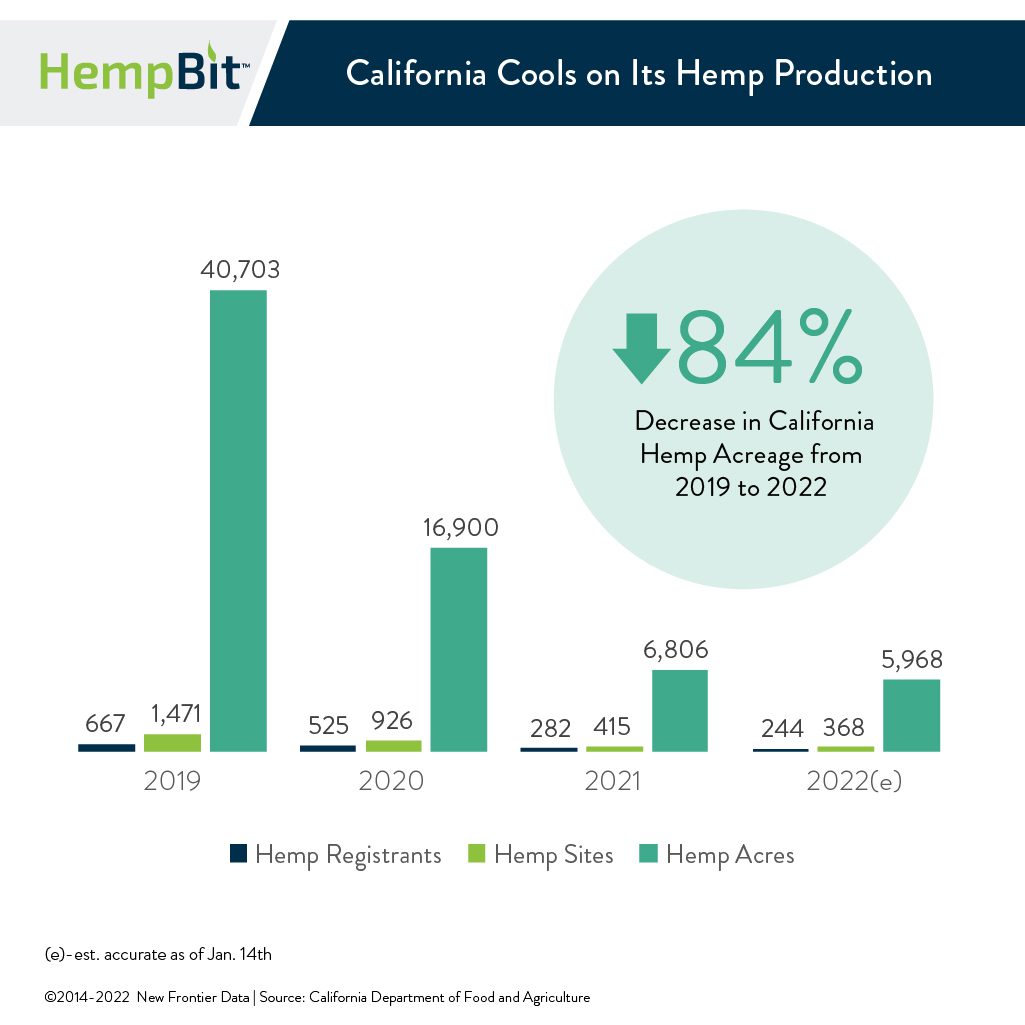
Prospects for that are unlikely. According to the Golden State’s Department of Food and Agriculture, the number of registrants for hemp cultivation has fallen year-over-year, with an 84% decline in total hemp acreage since 2019. One reason for it is the high cost of farmland in California’s central valley, where growers tend to plant specialty crops (e.g., stone fruits, tree nuts, or grapes) which command a much higher premium than do row crops like corn, wheat, or soy.

Far cheaper real estate is why hemp production is soaring in America’s breadbasket – farmland in Midwestern states is seeing hemp thriving as an effective new rotational crop among staples with the upshot of providing a potentially regenerative impact on soil health.

Also hampering California’s hemp industry are regulations quite a bit more burdensome than in other states. Some municipalities have even placed moratoriums on hemp production, a move criticized as too drastic a measure to protect growers of all-female cannabis crops from any risk of pollen being spread by production of industrial hemp’s male plants. Perhaps a more practical concern is that a hemp cultivation permit in California costs $900 while limiting a producer to 160 acres, whereas a competitor in North Dakota is only charged $350 with no acreage limit.

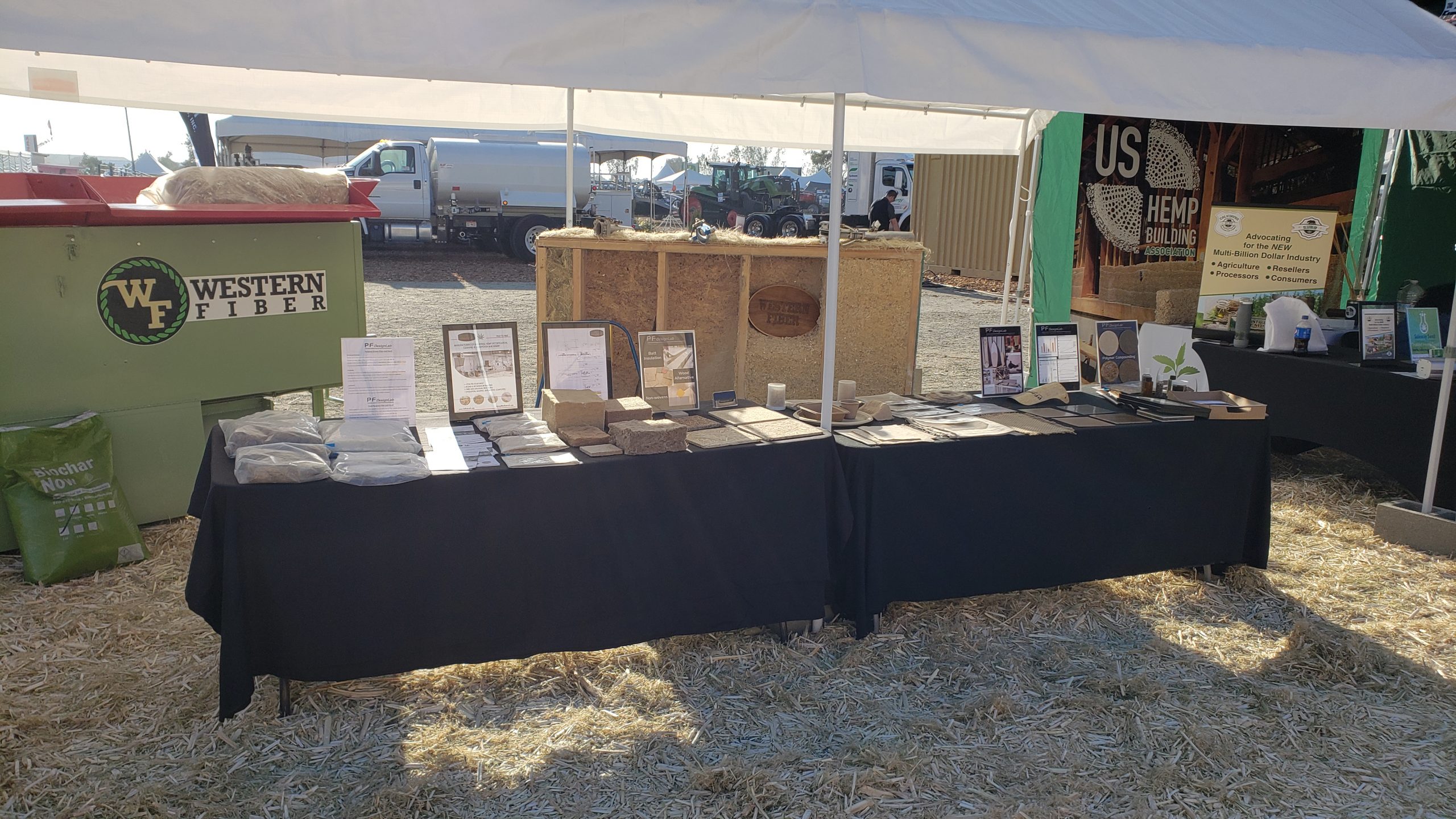
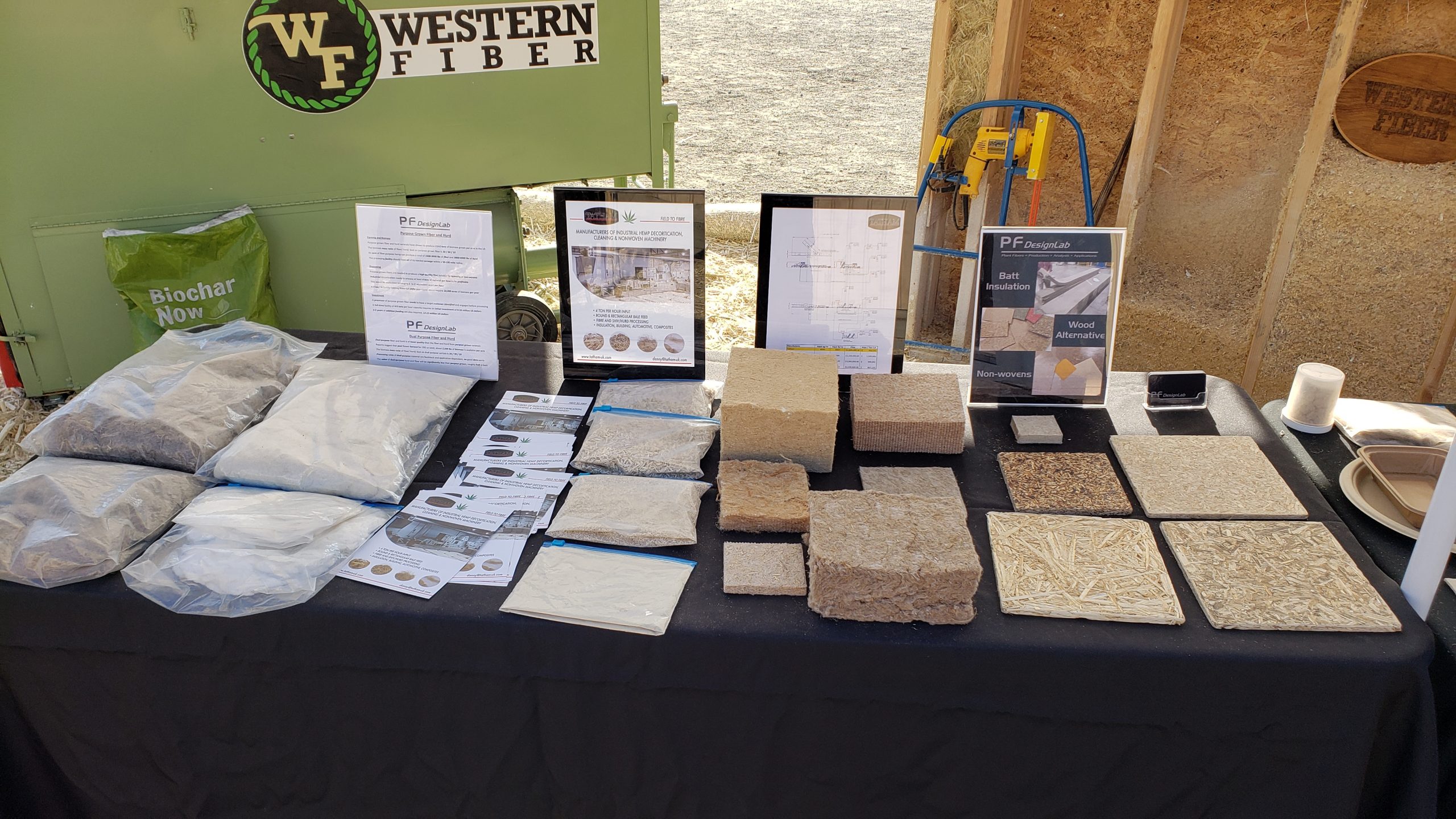
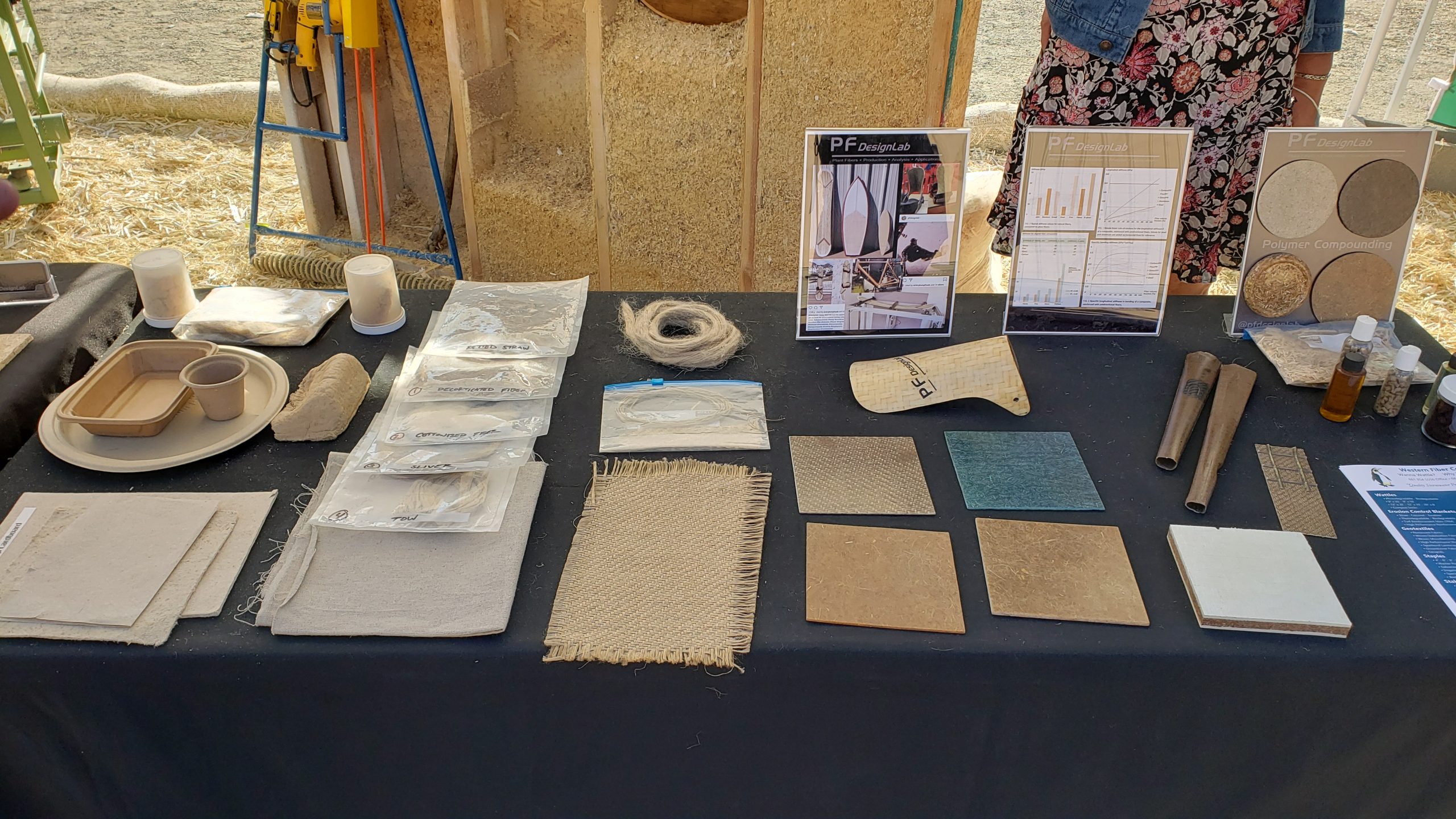
Overall, spirits were high among hemp exhibitors looking forward to this year’s growing season. An interactive outdoor display showcased methods for decorticating baled hemp fiber, alongside a host of material applications for drywall, animal bedding, bioplastics, insulation, and concrete to illustrate the far-ranging uses for hemp beyond therapeutic or wellness products.

Some observations from exhibitors and stakeholders in attendance summarized the status of the industry and supply chain for U.S. hemp fiber and grain:

  • “While there are still several companies trying to develop working equipment, most of them are lacking when it comes to producing good-quality long fiber. It has taken us six years to be able to produce textile quality fiber at Formation Ag. Now, we just need to get enough systems in the field to start to make a difference.”

Randy Wright, VP of Sales, Formation-Ag

  • “The majority of the hemp vendors and visitors were focused on grain & fiber, which is not surprising after the 2019 cannabinoid glut… We know there are thousands of uses, but until we innovate and create, there will not be enough demand. The more end-use applications, the greater the need for processors, and with more processing, the greater the need for farming at scale. Farmers should start small and grow different grain and fiber varietals now to learn how hemp performs in their fields, so that when it is time for large acreage, they will have a greater chance for success.”

Drew Kitt, Director of Business Development, International Hemp Exchange

  • “The biggest hurdle to fiber adoption is processing infrastructure. I’m happy to be partnered with UK-based Tatham, which offers a 4-ton per hour system compatible with round and square bales. There is room for a lot of different scaling, but I’ve concluded that ‘industrial scale’ means 2-ton an hour or more is where the numbers really start to work, and end-use customers get interested in the volumes they need to switch feedstocks… Significant adoption requires significant scale. I don’t think people realize the sheer volume of material that is required to maintain price points: A two-ton per hour system would require about 1,500 acres per year, per eight-hour shift to maintain capacity. It is critical to understand these dynamics to help justify the capex for industrial scale systems. This literally requires millions of dollars for each modest scale center.”

Patrick Flaherty, Mechanical Engineer and Founder, PFDesignLab

  • “California offers a unique vantage into the world of high-value agricultural production, especially given the diversity of crops grown in the state using specialized modern equipment… A Builders Group interested in hemp products is likely what’s needed in California for hemp to see wider adoption in the state… AOSCA Certified seed for fiber and grain crops is available with many varieties suitable to the Central and Northern valleys, which is exactly what the industry needs to get the bankers behind hemp.”
    Terry Moran, VP of Operations & Production, International Hemp

Photos from the event:

The post As Hype for Hemp Winds Down, World Ag Expo Gears Up for New Season appeared first on New Frontier Data.


from New Frontier Data https://newfrontierdata.com/cannabis-insights/as-hype-for-hemp-winds-down-world-ag-expo-gears-up-for-new-season/

source https://ozlemhermsen.tumblr.com/post/676483399002849280

Tuesday, 15 February 2022

MSOs Establishing Themselves With Strength in Legal Cannabis Markets

MSOs dominate

By Rob Kuvinka, Manager, Data Science, New Frontier Data

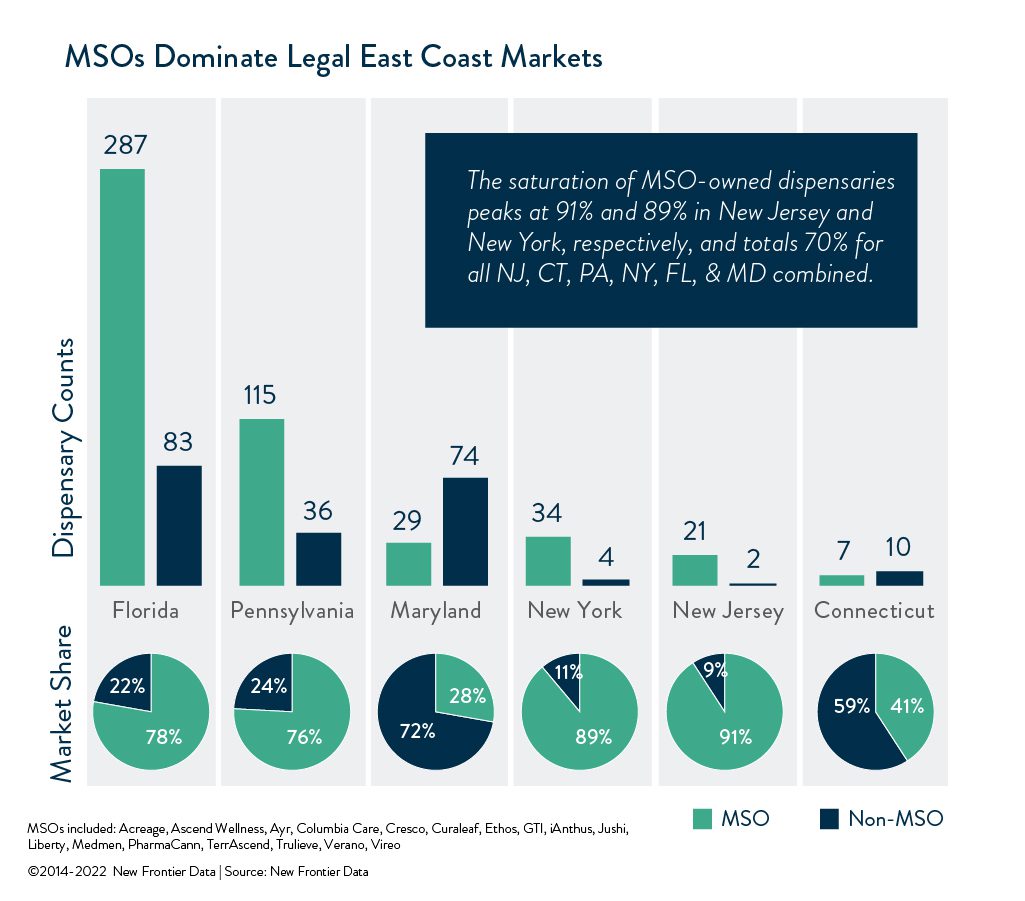
Since California legalized cannabis five years ago, public acceptance has grown exponentially. With MSOs having gained greater market share in newer legal markets (Connecticut, Florida, Maryland, New Jersey, New York, and Pennsylvania) than established markets in the West, industry stakeholders are taking note of the differentiating characteristics that set them apart as viable investments.

Aggressive statewide store rollouts and merger-and-acquisition (M&A) deals are allowing well-capitalized corporations to quickly dominate what New Frontier Data projects to be a combined $7.8 billion legal retail market in the newer markets this year. The saturation of MSO-owned dispensaries peaks at 91% and 89% in New Jersey and New York, respectively, and totals 70% for all six Eastern states combined.  Among the deals closed in the past months impacting these markets are Trulieve/Harvest (October 2021, $2.1 billion, 149 dispensaries), Cresco/Cure Penn (September 2021, $90 million, four dispensaries), and Ayr Wellness/PA Natural Medicine (October 2021, $80 million, three dispensaries).

Throughout 2021, MSO stocks roiled, according to Dan Ahrens, managing director and chief operating officer of Maryland-based AdvisorShares. While Q2-’21 earnings were reportedly “fantastic”, the stocks flattened for the latter part of the year, if attributed for a variety of reasons unrelated to earnings. First and foremost among them has been the lack of progress toward reforms to federal prohibition.

Ahrens is also the portfolio manager of AdvisorShares Pure U.S. Cannabis ETF, the largest holdings of which include Ayr Wellness, Chicago-based Cresco Labs, Massachusetts-based Curaleaf Holdings, Illinois-based Green Thumb Industries, and Trulieve.

Ahrens said that shortsighted retail investors had been expecting federal reforms which have been dragged out since the 2020 U.S. elections, as publicized last fall. Adding to that uncertainty, he noted, were two other factors keeping industry share prices down: restricted access to MSO stocks and low trading volume.

Due to federal prohibition, big banks, key brokerage firms, and wire houses restricted access to MSO stocks. Since those stocks trade via over-the-counter exchanges in the U.S. without the trading volume that NASDAQ of the New York Stock Exchange-listed stocks attain, the lower market float can make any stock more vulnerable to attack by short sellers. Conversely, solid buying pressure in the short term may cause stocks to rebound sharply.

The downward trend for MSOs continued in January, though Seeking Alpha last week expressed some optimism:

“The legal cannabis industry is just getting started and 2022 could be a breakout year for publicly traded companies. The big five MSOs (i.e., Curaleaf, Trulieve, Cresco, Green Thumb, and Verano), as the largest and most well-known operators, are naturally going to get the most attention. However, investors open to investing in the industry should consider Ayr Wellness [as] it is currently flying under the radar and has significant growth potential.”

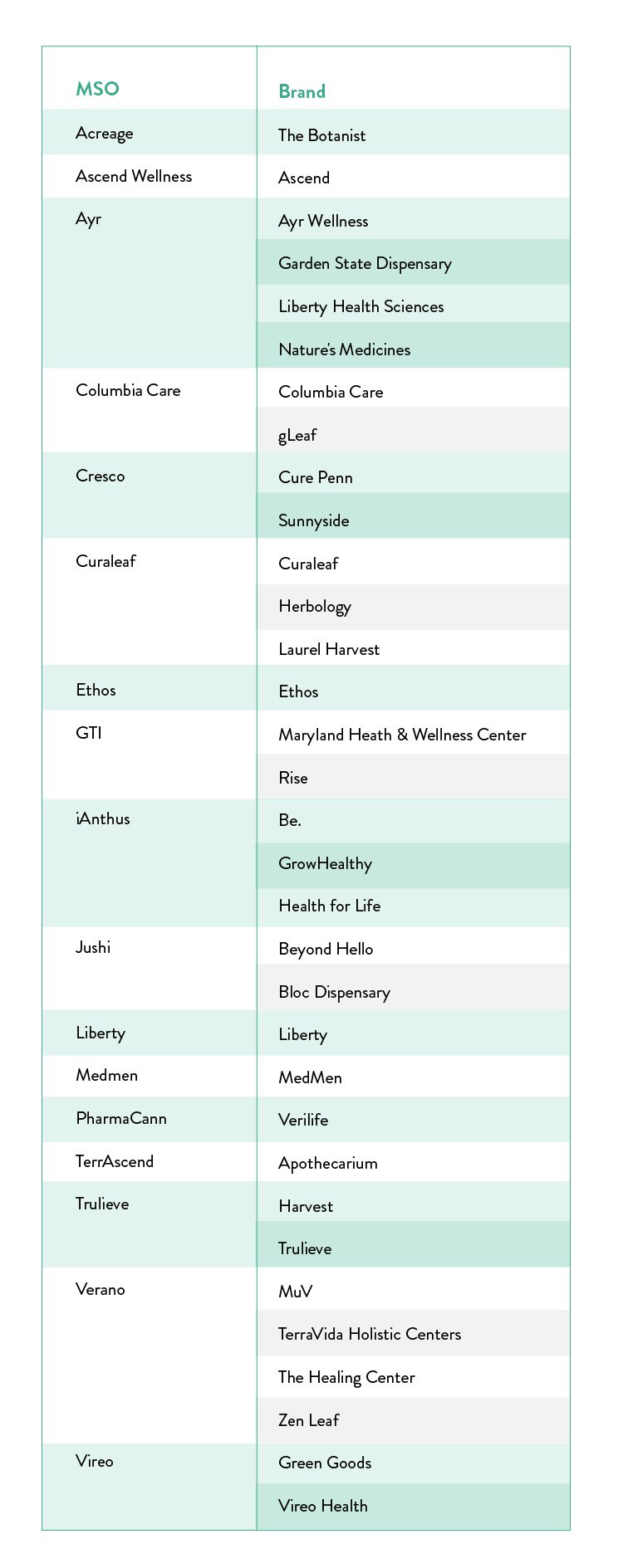
Likewise, there is a positive side for the longer term. The framework of an MSO helps a brand establish a basis for national expansion even while strictly observing federal laws on interstate commerce, which mandate that cannabis must remain for sale only in the state where grown. MSOs operate under many, interrelated dispensary brands. Those 17 MSOs found among Connecticut, Florida, Maryland, New Jersey, New York, and Pennsylvania offer 33 various brands.

The advantage of a single brand representing a coalition of operators is in its ability to promote recognition wherever sold, regardless of the original entity or its jurisdiction. That allows for the MSO to build a customer base, promote loyalty, and prepare its financial and operational footprints for when federal prohibition reform enables a national market. Meanwhile, an MSO can operate for profitability through local or state locations by offering seemingly uniform products which, in actuality, are each locally grown, processed, and distributed.

MSO dominance may also prove consequential to social-equity programs, the goals for which are jeopardized when fewer players control the retail landscape.

As Shaleen Title, distinguished cannabis policy practitioner-in-residence at The Ohio State University’s Moritz College of Law Drug Enforcement and Policy Center, wrote last month in her research paper, Fair and Square: How to Effectively Incorporate Social Equity Into Cannabis Laws and Regulation, without clear limits on how many licenses one person or entity can control, “big corporations will obtain multiple licenses, take up limited real estate, begin operating, and dominate the market before most social equity applicants even receive provisional approval”. Last fall, she shared an inside look at challenges operators are facing in Massachusetts and the ongoing push for social equity in a New Frontier Data’s Cannaweek webcast.

While challenges undeniably remain, MSOs have significant leverage in the market. Those which are well-planned and managed are prospering, both providing favorable returns and are outperforming the market. Whether through individual company stock purchases, or through the growing number of cannabis ETFs, retail investors have a growing portfolio of options to invest in the industry’s largest companies. However, with expansion and go-to-market strategies increasingly diverging, investors will need to focus on more than just size to assess the companies best positioned for growth in the industry.

Disclosure: New Frontier Datadoes not provide personalizedinvestment advice, nor does it endorse any company or individual identified above. Our mission is to inform policy and commercial activity for the global legal cannabis industry. We maintain a neutral position on the merits of cannabis legalization through comprehensive and transparent data analysis and projections that shape industry trends, dynamics, demand, and opportunity drivers.

The post MSOs Establishing Themselves With Strength in Legal Cannabis Markets appeared first on New Frontier Data.


from New Frontier Data https://newfrontierdata.com/cannabis-insights/msos-establishing-themselves-with-strength-in-legal-cannabis-markets/

source https://ozlemhermsen.tumblr.com/post/676302219800428544

Will 2022 Spark Europe’s New Continental Convergence for Cannabis?

cannabis countries

By Oliver Bennett, Special Contributor to New Frontier Data

The consensus thinking on the continent is that Europe’s cannabis market is powering apace toward prosperity. Much is expected within the industry for 2022, including both Malta’s and Germany’s legalising adult-use markets. Curaleaf International CEO Antonio Costanzo expects more European countries to allow the use of recreational cannabis within the next four years, and speculation abounds about the next country to enter the mix.

That said, a lack of policy convergence or national harmonisation about legal cannabis has held the European industry back, and continues to hamstring progress.

Though Europe looms as a honeypot for cannabis investment, its legal framework remains fragmented in all areas of the sector: from medical cannabis, to CBD, to nascent adult-use markets. Along with disparate positions per each nation’s legislation, the prospective industry suffers from a confluence of societal variables, including a residual stigma to the drug which feeds into difficulties about banking, supply chains, patient access, inconsistent GP/MD training and prescription practices – not to mention political factors including the electoral cycle and relative strengths of national cannabis lobbies against adversarial opponents.

Though the establishment of a medical program has proven utility as the basis for national legalisation, a lack of any harmonised regulatory framework has long been noted. Among European Union (EU) member nations, national legislation has always trumped either an EU or European Medicines Agency framework, resulting in a patchwork of laws across the continent rather than EU-wide parity. Take-up times, too, have been markedly different. Ireland did not pass legislation until 2019, while the Netherlands had in 2003. The EU Good Manufacturing Practice (GMP) certification gives some structure to the industry, but even that has stirred some confusion with different national interpretations and some overlap between the EU’s GMP and Good Agricultural and Collection Practice (GACP) protocols. There is a lack of consistency about which qualifying conditions that medical cannabis is expected to treat across different health services, with but one pan-European approval by the European Medicines Agency for GW Pharma’s Epidiolex for two forms of epilepsy: Dravet syndrome and Lennox-Gastaut syndrome. The Novel Foods regulation also continues to confound CBD producers and retailers from country to country.

The question as Germany moves in fits and spurts toward adult-use legalisation is about what is to come of the rest of Europe – and will greater continental convergence result?

“Switzerland is in an interesting position,” says Frankfurt-based cannabis consultant Margeurite Arnold. “It’s outside the EU, and is likely to influence Germany. My guess is that the German model won’t look like Holland, but is probably going to look more like Switzerland, with pharmacies being a first test market.”

The mountainous country announced in October that it would legalize cannabis through a three-year pilot project starting this year in Zurich, as industry eyes intently watch its progress.

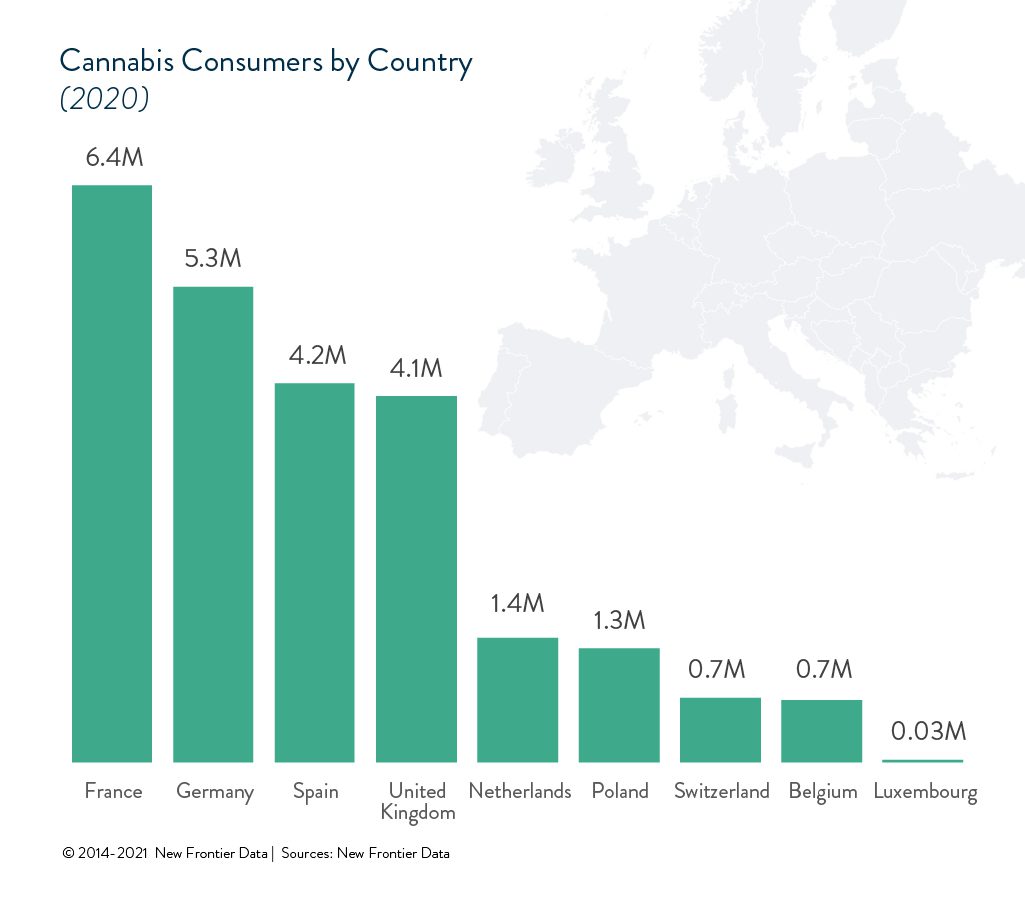
Despite having the highest per-capita level of users Europe, France has never openly embraced it. That may be changing, however, as there are signs of a societal thaw ahead of its presidential election this spring. France’s Constitutional Council recently ruled CBD as neither addictive nor harmful, overturning previous rulings and bringing it more in line with the rest of Europe. Moreover, French lawmakers discussed a cannabis legalisation bill proposed by the left-wing France Unbowed Party (LFI) and the Green Party hitting back at a rule banning the sale of CBD flower.

Portugal is also worth watching: By offering lower costs than in northern Europe, it has become a key foothold for U.S. and Canadian medical cannabis companies (e.g., Tilray, Curaleaf, Casa Verde Capital, and Aurora) to position themselves across the pond. As if to demonstrate the lack of coherence in Europe, however, it still has not regulated its cannabis market, and there are draft bills pending for personal possession, consumption, and cultivation.

Luxembourg was set to legalize adult-use cannabis last October, but has not yet moved to do so; it is expected to become law this year, and could join Malta as small outliers prompting more widespread agendas across the continent.

An Italian referendum to decriminalize cannabis cultivation and decriminalise possession also seem likely this year, as Prime Minister Mario Draghi has said that the government would not hinder the public’s choice. Spain has already decriminalized cannabis, though it failed to approve a bill to legalize it for recreational use. Should it push forward to do so, it could conceivably join Italy and Germany to form a troika of European cannabis titans and help shape regulatory harmonisation.

There are also rumbling among other, less high-profile states. In January, the Polish Parliament heard three draft laws leaning toward cannabis reform laws, one of which went forward to enable research by the Minister of Agriculture to cultivate hemp with more than 0.3% THC for the medical cannabis industry. Though no action is expected from it, the discussions have been well received in a country where doctors as of last September had issued 28,076 prescriptions to 9,261 patients through one of Europe’s largest medical cannabis markets.

Cannabis advocates often look at legalisation as a three-part process extending from decriminalization to medical legalization before full adult-use legalisation. Thus, optimism exists heading toward June’s Cannabis Europa London conference in the U.K. to encourage rapid adoption of new regulatory frameworks across Europe.

The post Will 2022 Spark Europe’s New Continental Convergence for Cannabis? appeared first on New Frontier Data.


from New Frontier Data https://newfrontierdata.com/cannabis-insights/will-2022-spark-europes-new-continental-convergence-for-cannabis/

source https://ozlemhermsen.tumblr.com/post/676302218639589376

Monday, 14 February 2022

Can CBD Help Treat Schizophrenia?

How Is Schizophrenia Identified?

Schizophrenia is generally diagnosed after recurrent displays of associated symptoms. In general, the symptoms are characterized as an abnormal way of relating to and processing reality. In practice, they can vary widely. In addition to the symptoms above, the following symptoms can be present in individuals dealing with schizophrenia:

•         Unusual motor behavior, including a lack of response to others or external stimuli, strange or unnecessary movements, and general disorder in physical behavior

•         Inability to communicate in an effective or coherent way, including disorganized responses and garbled or meaningless speech

•         “Negative symptoms,” including failure to make eye contact, lack of interest in activities or surroundings, neglect of personal hygiene, and similar behaviors

Individuals displaying these qualities — particularly in young adulthood — may be referred to a doctor, who can make a diagnosis of schizophrenia based on physical tests and a psychological exam.

How Is Schizophrenia Treated?

Despite many innovations in mental health treatment, schizophrenia treatment is still relatively imperfect. It often involves any number of anti-psychotic medications — including clozapine, aripiprazole, paliperidone, and many other drugs — which can help to manage symptoms, but may also have notable side effects.

Psychosocial treatment can also be useful, including individual and family therapy, as well as social and vocational skills training.

Can CBD Help Treat Schizophrenia?

There is some evidence that CBD reduces psychotic symptoms, particularly in early stages of psychosis, suggesting CBD may have a role to play in treating schizophrenia. However, more research is certainly needed to fully determine the potentially therapeutic role of CBD in treating schizophrenia. 

Because schizophrenia is a complex disorder that manifests in very different ways in unique individuals, it is essential to consult with a medical professional before using CBD to treat symptoms of schizophrenia.

The post Can CBD Help Treat Schizophrenia? appeared first on Smart CBD Hub.


from Smart CBD Hub https://smartcbdhub.com/can-cbd-help-treat-schizophrenia/
via IFTTT

source https://ozlemhermsen.tumblr.com/post/676179804181168128

Friday, 11 February 2022

Can CBD Help Those Struggling With Muscle Pain?

What Causes Muscle Pain? 

Muscle pain is often localized to a specific muscle or muscle group. Beyond the common causes of overuse, stress, and tension, these are several underlying conditions that could lead to muscle pain:

•         Chronic Fatigue Syndrome 

•         Fibromyalgia 

•         Flu 

•         Lupus 

•         Rheumatoid arthritis 

•         Sprains 

Can CBD Oil Benefit Those With Muscle Pain? 

CBD may help those dealing with muscle pain and the current state of research reinforces the use of cannabinoids, like CBD, as part of a pain treatment plan. The efficacy of CBD is due to the way in which it interacts with the body’s endocannabinoid system.

The ECS plays a key role in regulating many of the body’s internal systems. When CBD molecules attach themselves to certain endocannabinoid receptors, it reduces inflammation and delivers pain-relieving effects. These properties may also help to reduce the volatility of muscle spasms. That is, it appears CBD alleviates muscle tension, a common source of pain.

How to Apply CBD Oil for Muscle Pain? 

CBD oil comes in a variety of forms. You can purchase CBD-infused creams that you rub directly onto your sore or painful muscles. There are also tinctures of CBD oil that can be taken sublingually or added to a favorite beverage.

There is no tried-and-true dosage of CBD for muscle pain. Generally, it’s best to start at a low dosage and work your way up. Should you experience any negative side effects, such as nausea, you should reduce the dosage to the last tolerable level.

If you’re dealing with long-lasting muscle pain or muscle pain paired with other symptoms, you should see a doctor for a better understanding of any potential causes. They can provide a proper treatment plan that best ensures recovery.

The post Can CBD Help Those Struggling With Muscle Pain? appeared first on Smart CBD Hub.


from Smart CBD Hub https://smartcbdhub.com/can-cbd-help-those-struggling-with-muscle-pain/
via IFTTT

source https://ozlemhermsen.tumblr.com/post/675926902476849152

Thursday, 10 February 2022

Could European Cannabis Legalisation Come from Change in the Channel Islands?

canna-tourism germany

By Oliver Bennett, Special Contributor to New Frontier Data

Primarily known either as tourist destinations or tax havens, the Channel Islands – a tiny archipelago positioned in the English Channel between the United Kingdom and the Normandy coast of France – are not traditionally known for being bastions of politically progressive policy. Nevertheless, the two British crown dependencies (i.e., bailiwicks) of Guernsey and Jersey find themselves leading the way for cannabis reform in Europe.

Guernsey (estimated population of 63,400) includes the islands of Alderney, Sark, and Herm, with smaller islands divided between it and Jersey (estimated population of 107,800). Technically part of neither the U.K. nor the EU, the islands instead are possessions of the British Crown, maintaining independent administrations. Their inhabitants are British citizens, though about one-sixth of Jersey’s residents are EU nationals.

Though Guernsey legalised medical cannabis in 2019, a lack of any licenced clinicians left patients required to import it from licenced clinicians in the U.K. For the past five months since the first dispensary opened in Guernsey, however, local doctors have been following medical-cannabis programs similar to those found in Canada, the U.S., and Australia – while doctors in the U.K. are only able to prescribe it in strictly limited terms via the National Health Service (NHS).

In the bailiwicks, medical cannabis can be prescribed for illnesses including chronic pain, gastrointestinal issues, side effects brought on by chemotherapy, and mental health issues. The Channel Islands recently exceeded 2,000 prescriptions while burnishing the program’s reputation.

So it is that the islands are leading the way in Europe, as local clinician Dr. Charlotte Cocks of Medicann Jersey described last fall.

They are in the “early steps of a promising new sector”, according to Neil Inder, president of Guernsey’s Committee for Economic Development, and one which has been attracting interest and investment both local and from overseas as a foothold for the inexorable advance of legal cannabis to Europe.

The COVID-19 pandemic hit as Guernsey officials were enthusiastic about its rising income from tourism. Mike Hopkins, Guernsey’s director of Marketing & Tourism, described 2019 as a positive year for visitor growth, “the key target segment of Guernsey’s tourism market in terms of both visitor volume and spend value. Following more than 20 years of decline, it is particularly encouraging to see the stabilisation and modest increase of staying leisure visitors, which started in 2015, continue into 2019.”

Guernsey’s law allows for local doctors to privately prescribe cannabis-based medicine products, provided that they are made to a pharmaceutical standard. Residents may also obtain a prescription from the U.K. to obtain their cannabis products via importation.

Last year, however, two deputy ministers submitted proposals to fully legalise recreational cannabis on Guernsey, similar to the model adopted in Canada, saying its use is widespread on the island and that there is a multi-million pound underground industry that the bailiwick could financially benefit from. The island’s former chief minister, Gavin St. Pier, lent his support to legalisation to better regulate, license, and tax the industry to boost the island’s economy.

New Frontier Data’s Chief Knowledge Officer John Kagia said that “across U.S. markets, we estimate that between 8% to 25% of visitors participate in recreational cannabis markets when visiting fully legal states, and so legalization would not only draw increased expenditures from cannabis consumers who currently visit the island but do not consume while there, but also attract new tourists who are interested in exploring the island’s cannabis offerings.”

Last year, the islands’ signed a joint Memorandum of Understanding (MoU) with the U.K.’s federal Home Office and the newly formed Bailiwick of Guernsey Cannabis Agency (BGCA).

The 2021 framework provided for up to seven cultivation licenses for medical cannabis in Guernsey, the first approval being afforded to 4C Labs, founded in 2018 in anticipation of the program. The licence cleared the way for the company to begin construction of a 40,000-sq.-ft., pharmaceutical-grade, organic cultivation facility.

Designed for genetics testing developed in Canada, 4C Labs’ CEO Greg Dobbin intends for the company to blaze ahead in development of the medical cannabis industry in the U.K., while seeking to broaden the company’s investor base as it develops and executes its growth strategy. Establishing cultivation this year, 4C Labs expects its first harvest in 2023.

Meanwhile, CBD production is likewise moving forward, as the BGCA issued the first  licence for that to Tina Bolding’s company Celebrated, which has been dedicating its efforts thus far to raising public awareness.

Watchers from the U.K. are bemused to consider Guernsey and Jersey as the avant-garde of cannabis. Yet, given Malta’s first-mover efforts late last year to establish a market ahead of Luxembourg, it has been left to relatively small countries to prove their agility ahead of more legislatively lumbering large states.

The next question for the bailiwicks is whether Guernsey will stir movement toward adult-use markets in the U.K. and EU, given the politically charged contexts for socioeconomic reforms on both sides of Brexit. Indeed, there are already calls for Guernsey’s legislative assembly to debate recreational uses of cannabis sometime before the summer.

St. Pier’s position that legalisation would bring gains for the island’s economy while reducing police costs have been echoed by others in the private sector, with Nicholas Morland, chief executive of Tenacious Labs, telling the Jersey Farming Conference that cannabis could rival the island’s successful finance industry. 

Of course, with a wide acceptance of the economic benefits of cannabis allied with their propitious financial and taxation arrangements, Guernsey and Jersey are already attracting investment. The cannabis wellness company Seed Innovations is incorporated in Guernsey. This year venture capital firm Leafy Tunnel launched the first-ever medicinal cannabis and psychedelics fund to be regulated in Guernsey, as part of a move to invest in alternative medicine. Bek Muslimov, co-founding partner of Leafy Tunnel, said: “We are proud to be the first-ever fund of this nature in Guernsey, and believe this jurisdiction will play a vital role in facilitating the growth of medical cannabis and psychedelic medicine soon.”

Cannabis giant Curaleaf, which acquired Emmac Life Sciences last spring, has established its Curaleaf International Holdings brand in Guernsey, with counsel provided by local legal specialist Collas Crill per several cannabis deals.

Might the Channel Islands’ example inspire the U.K.? That seems unlikely for the time being, despite the U.K.’s friendliness to CBD and the production – if not consumption – of medical cannabis.

For the time being, reform efforts seem to have stalled in the U.K., though London’s Mayor Sadiq Khan has announced three pilot efforts in the capital to decriminalise rather than prosecute those aged 18-24 for cannabis possession. It must be noted, however, that neither Khan’s own party nor the ruling Conservative majority favours that plan.

Dissent exists in the Channel Islands, too. Some politicians have feared that medicinal cannabis could tarnish Jersey’s reputation, and question the government’s ability to sufficiently regulate it. Neil Inder of the Committee for Economic Development shares the concern, admitting that “this is a new sector to Guernsey, so it’s really important we get it right.”

Should all continue to proceed apace, however, history may yet wind up being turned by the Channel Islands.

The post Could European Cannabis Legalisation Come from Change in the Channel Islands? appeared first on New Frontier Data.


from New Frontier Data https://newfrontierdata.com/cannabis-insights/could-european-cannabis-legalisation-come-from-change-in-the-channel-islands/

source https://ozlemhermsen.tumblr.com/post/675811497654599680

Monday, 7 February 2022

Normalization of Cannabis Yields Accuracy in Self-Reporting

cannabis use survey

By J.J. McCoy, Senior Managing Editor, New Frontier Data

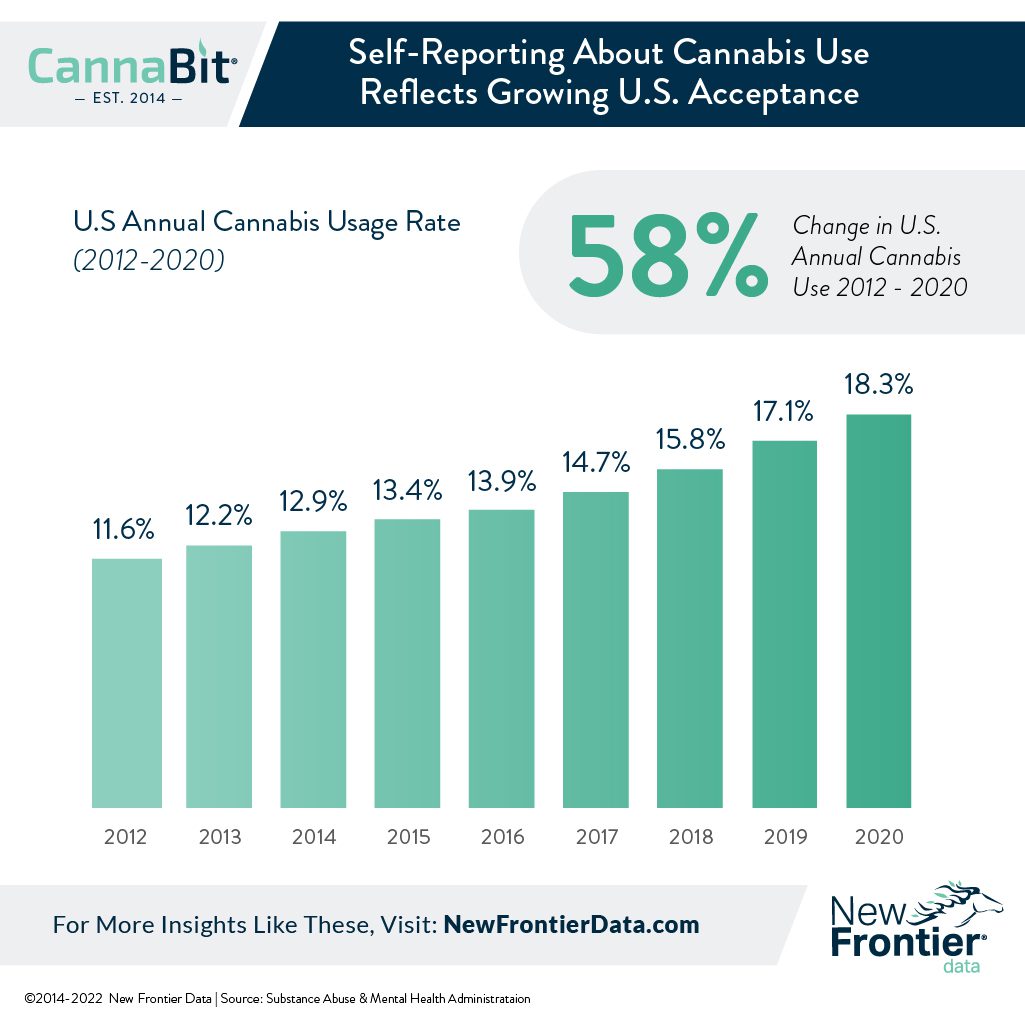
New data reported by the Substance Abuse and Mental Health Services Administration (SAMHSA) reveals a continued dramatic rise in self-reported annual cannabis use in the United States. Since 2012, the national average overall saw an effective 58% increase, with 18% of adult Americans now reporting having consumed cannabis within the previous year.

“Now nearly 1/5 of Americans report using cannabis at least once a year,” noted John Kagia, New Frontier Data’s Chief Knowledge Officer. “The national trend will be sustained as prohibitions on cannabis ease, and new products provide consumers more and novel ways to integrate cannabis into their lifestyles.” He added, as example, how older Americans as a demographic cohort have been increasingly more inclined to accept and use cannabis as a therapeutic option.

“American adults are not waiting for federal or even state governments to provide permission,” Kagia said, as demonstrated by adults crossing state lines for access to legal markets. “At this rate, there is far greater visibility of cannabis within social circles and contexts, with increased public acceptance of the medical and economic benefits of regulated cannabis. The public’s acceptance has far outpaced that of national and state government leaders.”

Last Wednesday, Mississippi became the latest state (39th overall, and third in the Deep South after Louisiana and Alabama) to legalize medical cannabis. The Magnolia State’s law took immediate effect, with dispensaries able to open before year’s end; specifically, the law calls for license applications to be accepted within 120 days (or 150 days in the case of dispensaries), with regulators required to resolve applications within 30 days.

According to the National Conference of State Legislatures, there are 37 states and four U.S. territories allowing cannabis for medical use. Now 18 states, two territories, and the District of Columbia (D.C.) allow adult-use cannabis (D.C. does not regulate adult-use sales).

Usage rates are up the most among traditionally conservative states’ markets, which nearly doubled their reported rates across eight years: Kansas topped the list (with a reported increase of 107%), followed by Oklahoma (99%), and Utah (90%).

In those conservative markets which have historically been strictest in their prohibition enforcement, consumers were understandably more reticent to speak about cannabis use. Oklahoma’s medical program exploded beyond expectations once that the state’s expansive medical market launched. Patient participation in Oklahoma’s program has been so strong that there are now more adults registered in Oklahoma’s medical cannabis program that there are self-reported consumers in the federal government’s polling in the state. Oklahoma is the first instance seen where a medical program has grown larger than the total number of estimated cannabis consumer in the state, suggesting that the under-reporting in the government survey, in the most conservative states, could be significant.

As Southern and Midwestern U.S. states liberalize their cannabis policies, self-reported usage rates are expected to rise as consumers come out of the proverbial closet to speak more freely about the role of cannabis in their lifestyles and communities.

“Research that relies on the self-reporting about an illegal or stigmatized activity is always difficult,” explained Amanda Reiman, New Frontier Data’s Vice President of Public Policy Research. “Even when answers are anonymous, people tend to respond in ways that protect their public image. As cannabis use becomes more normalized, we expect to see more people willing to admit to it. This can skew data that appear to show use rates increasing, but in actuality reflect a change in stigma or legal status.”

Even in traditionally more open markets, disparities have been notable. From 2012-2020, self-reported use increased 82% in Washington, 72% in Colorado, 63% in Oregon, and 62% in California, which suggests that it is more than just a story of consumers coming out of the shadows, but also that more adults are for their first times using cannabis.

One notable if underdiagnosed reason for the broadening diversity of cannabis consumers is the growing awareness that different cannabis products can be paired with specific experiences or desired outcomes. From exercise to relaxation, and sex and sleep, consumers are reporting that the right pairing of genetics and product forms can elevate a wide array of experiences. The idea of experience-based cannabis pairings, especially with noncombustible cannabis products, will be an important catalyst in challenging longstanding stereotypes of cannabis consumers, and lower barriers for the canna-curious to integrate cannabis into their lives in intentional and carefully considered ways.

For more comprehensive information and to keep track of further developments in the legalized U.S. and global cannabis markets, New Frontier Data offers its proprietary Equio® business intelligence platform.

The post Normalization of Cannabis Yields Accuracy in Self-Reporting appeared first on New Frontier Data.


from New Frontier Data https://newfrontierdata.com/cannabis-insights/normalization-of-cannabis-yields-accuracy-in-self-reporting/

source https://ozlemhermsen.tumblr.com/post/675596261689294848

Thursday, 3 February 2022

Considering the Newly Legal CBD Market in France

French CBD sales

By Eric Singular, Director, Hemp Business Journal

After France saw its ban on the sale of CBD-based products invalidated by the Court of Justice of the European Union (EU) in late 2020, the French Health Ministry published a new regulatory framework for the sale of hemp extracts. The guidelines came six months after a Cour de Cassation ruling last June confirmed that CBD could indeed be sold in France if legally produced in another EU member state. In the months following, 400 new CBD stores have opened their doors. The Dec. 31, 2021, ruling shed light after months of legal uncertainty for stores selling any CBD products (or food items) including candies, oils, cosmetics, e-cigarettes, infusions, or smokable hemp flowers.

While the June ruling signaled the opening of France’s CBD market, a provision in the decree banned “the sale to consumers of raw flowers or leaves in all their forms, alone or mixed with other ingredients, in particular as smoking products, herbal teas or potpourris,” i.e., smokable hemp flower. The provision was harshly criticized by trade groups like the Union des Professionels du CBD, deeming it as “suffocating” the growth of the new market. This month, a French judge temporarily lifted the ban on smokable hemp flowers, citing expert testimony which asserted that hemp flowers and leaves under the threshold of 0.3% THC have no narcotic properties. That mirrors the broader policy of the European Parliament per hemp-derived cannabinoids. In October 2021, the lawmakers passed increasing the authorized THC level for industrial hemp from 0.2% to 0.3%, to go into effect by 2023.

french hemp

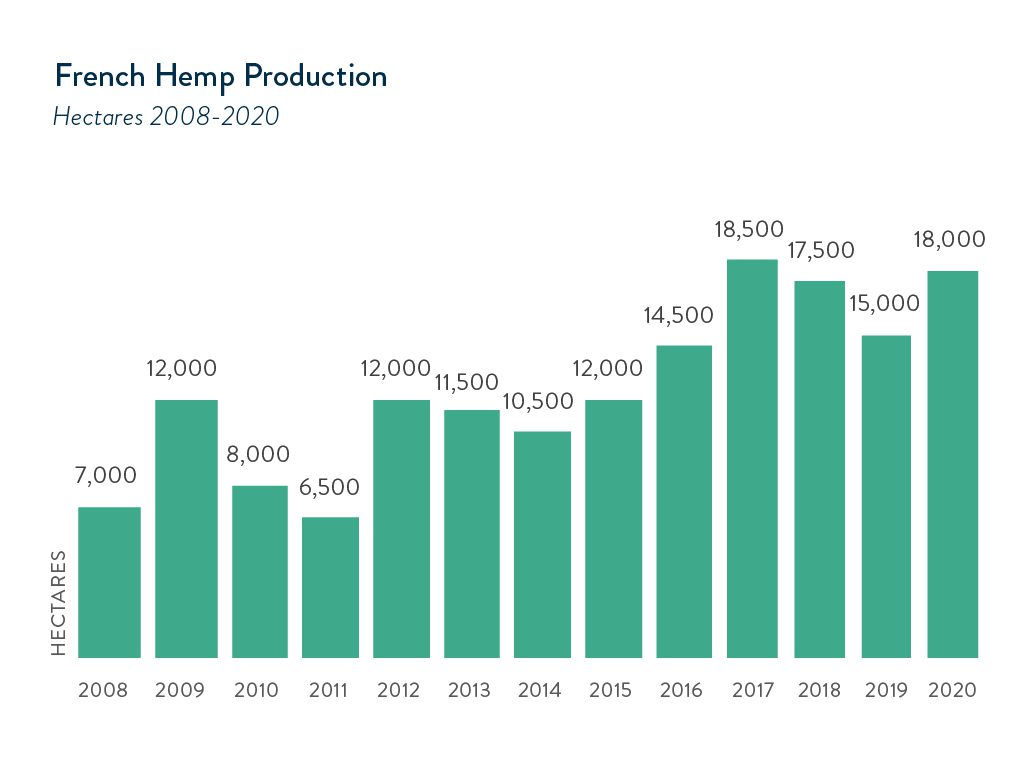
France is the world’s third-largest industrial hemp producer, cultivating the most hectarage in Europe while accounting for half of the continent’s dedicated hemp production. As the country’s hemp industry is experiencing significant growth driven by the excitement for legal CBD, the historical focus has been primarily on fiber. In 2020, about 1,300 French producers cultivated 17,900 hectares (44,232 acres). On average, 89% of the annual production is for straw, and the remaining 11% is hempseed. That production feeds six hemp cooperatives that process both an average of 100,000 tons of defibered straw and 17,000 tons of seeds per year.

The country has built a robust, hyper-localized supply chain for hemp fiber, with about 45% of processing done in the region in which it was produced. One of France’s largest growth sectors for hemp fiber is in construction and building materials, such as hemp insulation and hemp concrete. The French government has announced plans for sustainability legislation to ensure that all new public buildings are built from at least 50% timber or other natural materials. It has also been confirmed that hemp will be used in the construction of the Olympic village for the Paris 2024 games. Last month, the Pierre Chevet sports hall in Croissy-Beaubourg earned the designation as the first public building in France to incorporate hempcrete blocks made from a crop grown and processed within 300 miles of the construction site. It is estimated that the market for hemp fiber in France currently accounts for more than 40 million euros ($47.5 million USD) annually, with about 55% of production being exported.

France is also specializing in hemp genetics. The country has become a leading global supplier of certified hemp seed, with some 40% of its seed production being exported. France’s multiplication and the marketing of certified seed is managed by the Coopérative Centrale Des Producteurs De Semences De Chanvre. The French catalog has 9 varieties of industrial hemp that are managed by the National Federation of Hemp Producers (FNPC). These varieties have become widely used by hemp growers in the United States.

Now that French officials have clarified their positioning and published a regulatory framework that outlines the legal sale of CBD products, stakeholders are eager to build a domestic supply chain for hemp-derived cannabinoids. Given the firm regulations and centralized nature of hemp production in France, there is little doubt that rigorous testing will be required for CBD-rich hemp varieties. Hemp grown for CBD extraction is generally a single-use crop, and contains higher amounts of THC — or at the very least must be managed to avoid going above the 0.3% THC threshold. New varieties will likely need to be vetted by regulators prior to the allowance of large-scale production, raising the risk of introducing an onerous process like the variety testing shouldered by various states’ departments of agriculture since the passage of the federal 2014 Farm Bill.

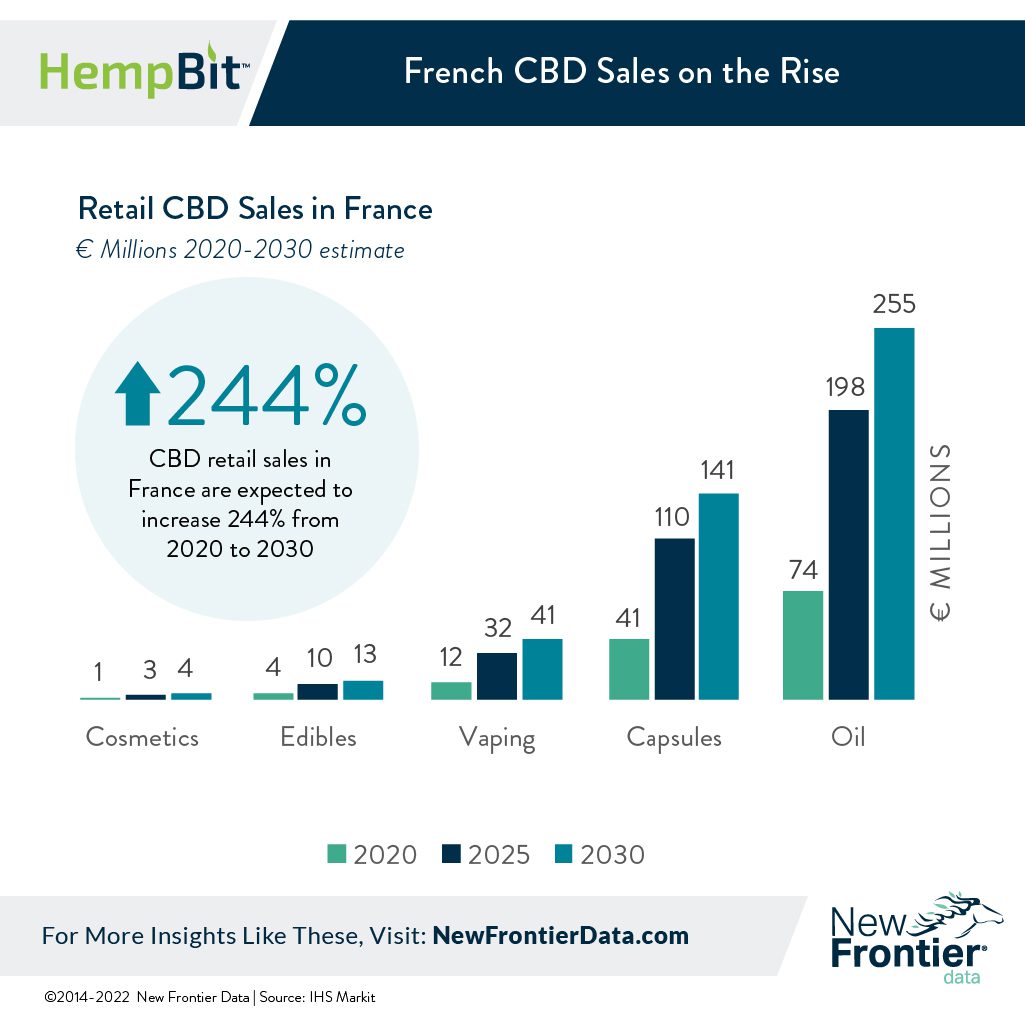
Nevertheless, the future for the French CBD market looks bright. In an August 2021 report published by the U.S. Department of Agriculture’s Foreign Agricultural Service, it is projected that CBD retail sales in France will increase 244% between 2020-2030. In 2020, the market for CBD in France was estimated at 131 million euros ($156 million USD). At present, tinctures command the market at 74 million euros ($88 million USD), followed by capsules at 41 million euros ($49 million USD), and vapes at 21 million euros ($25 million USD). An analysis of France’s high-THC cannabis market is available in New Frontier Data’s Global Cannabis Report. Still more in-depth analysis of the French hemp and CBD markets is forthcoming in New Frontier Data’s Global Hemp Report to be published later this year.

The post Considering the Newly Legal CBD Market in France appeared first on New Frontier Data.


from New Frontier Data https://newfrontierdata.com/cannabis-insights/considering-the-newly-legal-cbd-market-in-france/

source https://ozlemhermsen.tumblr.com/post/675215018553376769

Wednesday, 2 February 2022

Does CBD Offer Treatment or Relief for Keloid Scars?

What Causes Keloid Scars?

An overgrowth of collagen at a wound site results in a lump or formation that is larger than the original scar. The appearance and feel of a keloid depend on its maturity. Type 3 collagen forms and is eventually replaced by type 1. Keloids can be painful or itchy. Although they usually form at the site of an injury, they can also occur spontaneously. These disorders tend to arise due to the following issues:

•         Skin piercings

•         Burns

•         Acne

•         Chicken pox

•         Wound infection

•         Continuous trauma to an area

•         Extreme skin tension in closing a wound

•         Foreign body inside of a wound

Studies have shown that those with darker complexions are at a higher risk of experiencing keloids. A family history of the condition is also a risk factor.

How Can CBD Help?CBD is commonly regarded for its pain-relieving and anti-inflammatory benefits. Some people take CBD for skin damage or injury, so it’s worth exploring how it might help for keloid disorders. While research has established a connection between the endocannabinoid system and scars, CBD has not been shown to cure keloid scars. It may be effective when it comes to relieving the pain and itching that is sometimes associated with this disorder. Make an appointment with a dermatologist and discuss your concerns about how to apply CBD for scars and get recommendations on dosage.

The post Does CBD Offer Treatment or Relief for Keloid Scars? appeared first on Smart CBD Hub.


from Smart CBD Hub https://smartcbdhub.com/does-cbd-offer-treatment-or-relief-for-keloid-scars/
via IFTTT

source https://ozlemhermsen.tumblr.com/post/675100187390279680

An Industry in ‘Bloom’: New Frontier Data Analysts Discuss What’s Coming in 2022

social cannabis

By J.J. McCoy, Senior Managing Editor, New Frontier Data

As the legal cannabis industry settles into a new year, it is primed for yet another year of dynamic changes despite continued Congressional inaction around U.S. federal prohibition. Last week, New Frontier Data hosted an online industry briefing, 2022 in Bloom: A “Flower” Side Chat with the New Frontier Data Research Team, discussing key issues, trends, and their likeliest outcomes in the coming year. 

The conversation covered topics including global legal market expansion; U.S. regulation and state dynamics; cannabis policy and governance development; finance, investment, and M&A trends; the evolution of consumer behavior; and the future of hemp. 

The six themes discussed were drawn from trends identified in 22 for 2022: Cannabis Industry Assertions & Predictions, which is available for download at NewFrontierData.com/22for22. “Economic headwinds are gathering,” said John Kagia, New Frontier Data’s Chief Knowledge Officer. “While consumer demand remains essentially recession-proof, a decreased flow of capital influx to the cannabis market looks to slow the pace of industry expansion, and fuel M&A activity around cash-strapped assets.” 

Topics included: 

  • Global Expansion: With Germany’s intent to legalize adult-use cannabis, New Frontier Data expects several U.S. companies to announce partnerships, investments, and M&A to establish footholds across the country’s estimated $14.5 billion cannabis market opportunity. “Having Germany fully legalized for adult-use cannabis,” noted Kacey Morrissey, Senior Director of Industry Analytics, “becomes a really interesting story to watch in 2022, because momentum is really the name of the game when it comes to legalization in a new region.” 
  • U.S. Market: Three major East Coast markets, namely New York, New Jersey, and Virginia, are preparing to launch legal adult-use markets that should generate nearly $11 billion in sales by 2025, accounting for nearly one-quarter of all legal U.S. sales. Yet, rhetoric is expected to outpace action on the national level. “Given the Congressional midterm elections in the fall, politicians are leveraging legalization as a campaign issue to run on, [but] I don’t know how optimistic we are that we’re going to see a lot of progress, at least at the federal level this year,” Senior Industry Analyst Josh Adams explained. 
  • Policy and Governance: “As the industry grows, the actors that are becoming engaged – particularly leveraging either some lobbying or political weight – are not necessarily tied to the industry,” said Adams. “Whether it’s multinational corporations like Altria or Amazon, whether it’s labor organizations, or trade associations here in D.C. – all of these actors have an interest in the industry while not necessarily being industry players, and they are going to begin engaging as well.”
    “Another thing to keep in mind,” noted VP of Public Policy Research Amanda Reiman, Ph.D., MSW, “is that even if Capitol Hill were to take unexpected action this year, it would not guarantee buy-in from resistant states. Federal legalization does not necessarily mean that every state will jump on board and most likely, states will still have the opportunity to opt out of legalization, even when things change on the federal level.” For instance, Mississippi – the last state to repeal its alcohol prohibition laws – remained legally dry until 1966.  

Fundamental questions and advanced research about consumer impairment will also continue to frustrate blanket enforcement efforts. “Patchwork regulation across the United States creates unique complications for each existing market, but at the same time [also] some interesting opportunities for new markets that are coming online to take advantage of the lessons that have been learned,” explained Research Analyst Noah Tomares. “Without a clear understanding of the differences between the laws of each state, that is going to confuse the consumers, that is going to confuse law enforcement that has to enact it [and] enforce it. Ultimately, it makes it more challenging for larger-scale adoption.” 

  • Finance and Investments: Despite last year’s industry turns in the stock market, Morrissey reports that the pace of total industry investment has been back on track to roughly pre-pandemic levels. We’ve seen capital raised across both public and private sectors reach nearly $13 billion for calendar year 2021, compared to about $4 billion in 2020. And the strong uptick in M&A transactions, over 300 in 2021 compared to less than 120 in 2020, indicates large M&A owners and operators across the U.S. are continuing to aggressively pursue these acquisitions.”
    As to how consumers will behave in 2022, Morrissey reminded that while inflation affects consumers to some degree, “I don’t think we’re going to see a slowdown in the growth of legal cannabis sales because of it.” 
  • Consumer Behavior: Reiman explained how a diversifying product landscape is giving consumers new and novel ways to integrate cannabis into their lives, stimulating new categories of demand. “As we see cannabis more normalized, I think we’re going to see celebrities getting more engaged, and not necessarily celebrities that already have cannabis as part of their persona. In addition to that, we will see cannabis brands starting to partner with edgy non-cannabis brands from the food and fashion industries, who now feel that coming into cannabis is not as much of a risk in alienating their main consumer base, and in fact, may be a draw.” 
  • Hemp: Based on the increasing demand for ESG products and rising costs for building materials, New Frontier Data expects the markets for hemp hurd-based building materials and bioplastics to grow dramatically in 2022. As Eric Singular, Director of the Hemp Business Journal, recalled, “Last October, McKinsey and company reported that the world must close a $4 trillion financing gap by 2050 to meet climate change, biodiversity, and land-restoration targets. Further, they predicted that nature-based solutions could account for 65% to 85% of the total supply of carbon credits by 2030. This, I think, is probably the single-biggest thing that folks in the in the hemp sector should really be looking toward.” 

As the analysts’ various takeaways suggest, tracking trends and negotiating the flow of market activity will remain essential endeavors for industry stakeholders. Those seeking more specific, comprehensive information for keeping tabs on the latest consumer trends can find benefits in Equio®, New Frontier Data’s business intelligence platform providing insights, data, consumer and demographic profiles, updated news, and analysis on the rapidly evolving cannabis industry.  

The fundamental elements of the industry remain strong, and New Frontier Data confidently predicts another breakthrough year for the legal cannabis industry. Understanding the nuances of regulations, global expansion, and consumer demand will remain primary determinants for success.     

The post An Industry in ‘Bloom’: New Frontier Data Analysts Discuss What’s Coming in 2022 appeared first on New Frontier Data.


from New Frontier Data https://newfrontierdata.com/cannabis-insights/an-industry-in-bloom-new-frontier-data-analysts-discuss-whats-coming-in-2022/

source https://ozlemhermsen.tumblr.com/post/675048960726007808

How To Calculate the Right Dose of CBD Oil for Dogs

Can CBD Oil Shrink Your Dog’s Tumor ? More research needs to be done on how CBD affects tumors in a dog, but recent studies show the potent...